
Quick Summary
Zero waste is more than reducing trash. It is a practical approach that conserves natural resources, lowers landfill waste, supports cleaner communities, and helps businesses operate more efficiently. By embracing smarter waste management strategies and making gradual improvements, organizations can contribute to a more sustainable future while creating lasting environmental and economic value.
Understanding why zero waste is important begins with recognizing how everyday waste affects our communities, businesses, and the environment. Every item sent to a landfill represents lost materials that could have been reused, recycled, or composted. A zero waste approach shifts the focus from simply throwing things away to making better use of resources. As more organizations embrace sustainable practices, zero waste has become a practical way to reduce environmental impact while improving operational efficiency.
What Does Zero Waste Mean?
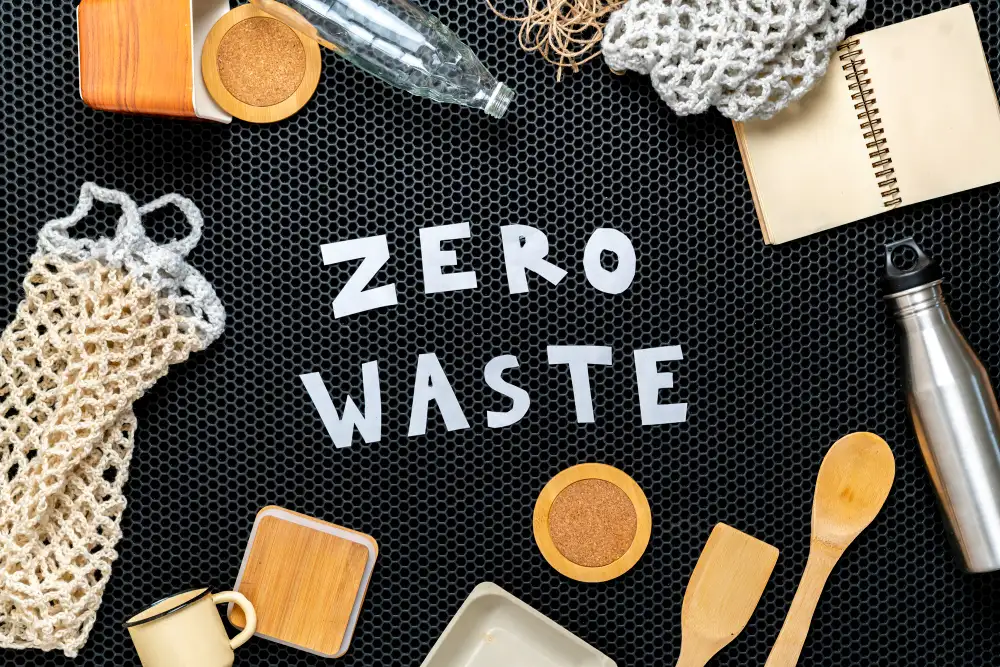
Zero waste is more than a recycling program. It is a strategy that aims to reduce the amount of waste sent to landfills through smarter purchasing, reuse, recycling, composting, and responsible disposal. Instead of viewing materials as trash, zero waste treats them as valuable resources that can continue serving a purpose.
For businesses, this approach often starts by reviewing how waste is created. Once waste streams are identified, companies can make adjustments that reduce unnecessary disposal while improving resource recovery. Small operational changes can lead to meaningful results over time.
Reducing Pressure on Landfills
Landfills continue to grow as communities generate more waste every year. As landfills reach capacity, finding new disposal sites becomes more challenging. Transporting waste over longer distances also increases fuel consumption and operating costs.
Zero waste practices help slow this trend by diverting recyclable materials, organic waste, and reusable products away from disposal sites. Every pound kept out of a landfill helps extend its lifespan while reducing the environmental footprint associated with waste transportation and disposal.
Conserving Natural Resources
Many everyday products begin as raw materials taken from forests, mines, or other natural environments. Manufacturing these products requires energy, water, and labor. Throwing usable materials away means those valuable resources are lost.
Recycling paper, metals, plastics, and glass allows manufacturers to recover materials that already exist instead of extracting new ones. Composting organic waste also returns nutrients to the soil instead of creating methane inside landfills. These efforts help preserve natural resources for future generations.
Supporting a Cleaner Environment
One reason many organizations explore waste managementstrategies is their positive environmental impact. Reducing waste means fewer materials are burned or buried. This lowers greenhouse gas emissions and helps improve air quality.
Responsible waste management also reduces litter that can enter waterways and natural habitats. Wildlife benefits when fewer plastics and harmful materials make their way into rivers, lakes, and oceans. Cleaner surroundings also create healthier places for people to live and work.
Helping Businesses Improve Efficiency
Sustainability and business performance often go hand in hand. Companies that understand their waste streams frequently discover opportunities to reduce unnecessary spending. Less waste usually means lower disposal costs and better use of purchased materials.
Many organizations also find that recycling programs, composting initiatives, and waste audits reveal areas where operations can become more efficient. Those improvements can support long-term financial goals while demonstrating environmental responsibility to customers, partners, and employees.
Meeting Growing Sustainability Expectations
Consumers, employees, investors, and government agencies increasingly value organizations that take sustainability seriously. Businesses that reduce waste often strengthen their reputation while supporting broader environmental goals.
Many industries also face regulations regarding waste handling and disposal. Building a thoughtful waste reduction program helps organizations stay prepared for changing requirements while supporting responsible operations.
Every Small Step Matters
Some people believe zero waste means producing no trash at all. In reality, it focuses on continuous improvement rather than perfection. Every effort to reduce waste contributes to a larger environmental impact.
Replacing disposable products with reusable alternatives, improving recycling participation, reducing packaging, and composting food waste are all meaningful actions. Over time, these habits become part of a broader culture that values resource conservation and responsible decision-making.
This perspective also answers the question of why go zero waste. Every improvement helps reduce pollution, conserve resources, and create healthier communities without requiring dramatic changes overnight.
Building a Sustainable Future Together
Creating a sustainable future requires collaboration between businesses, communities, and individuals. Waste reduction is one piece of a much larger effort to protect natural resources while supporting economic growth.
Organizations that invest in thoughtful waste management can contribute to cleaner communities, stronger recycling systems, and more responsible resource use. These efforts also encourage innovation as businesses discover better ways to reduce waste across their operations.
Partner With Us to Move Toward Zero Waste
At Zero Waste Solutions, Inc., we believe sustainable waste management should support both environmental goals and business success. We work with commercial, industrial, municipal, and government clients to develop customized waste and recycling programs that fit their operations. From waste audits and recycling strategies to regulated waste services and facility support, our team helps organizations reduce waste while improving efficiency. If your business is ready to take meaningful steps toward a more sustainable future, we would be proud to help build a solution that works for you.
FAQs
What is the goal of a zero waste program?
A zero waste program focuses on reducing the amount of waste sent to landfills by encouraging reuse, recycling, composting, and smarter resource management. The goal is to recover as many materials as possible while reducing environmental impact.
How can businesses start implementing zero waste practices?
Businesses can begin by conducting a waste audit to understand their waste streams. From there, they can improve recycling efforts, reduce unnecessary packaging, compost organic waste where possible, and work with a waste management partner to develop a customized strategy.
Does going zero waste benefit businesses financially?
Yes. Reducing waste can lower disposal costs, improve operational efficiency, and make better use of materials. Many organizations also strengthen their sustainability efforts, which can enhance their reputation with customers, employees, and business partners.
