
Reliable Waste Management Solutions for Every Industry
Zero Waste Solutions, Inc. offers reliable waste collection and disposal services to businesses, municipalities, and government entities. We design tailored programs that help organizations manage waste efficiently, support sustainability goals, and maintain compliance with regulations. Our team brings over 23 years of waste management experience to create flexible service plans that lower costs and minimize environmental impact.
Types of Waste Collection Services
Zero Waste Solutions, Inc. offers a comprehensive range of waste collection services to meet the diverse needs of our clients. Our services include:
- Regular Waste Collection: Scheduled pickups for general waste, ensuring your operations run smoothly.
- Hazardous Waste Collection: Scheduled pickups for general waste, ensuring your operations run smoothly.
Day-to-Day Operations and Logistics
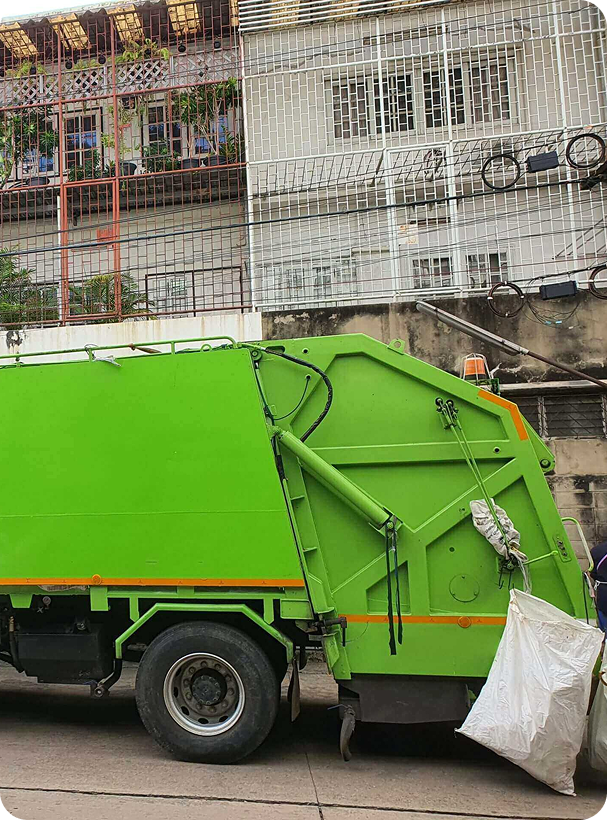
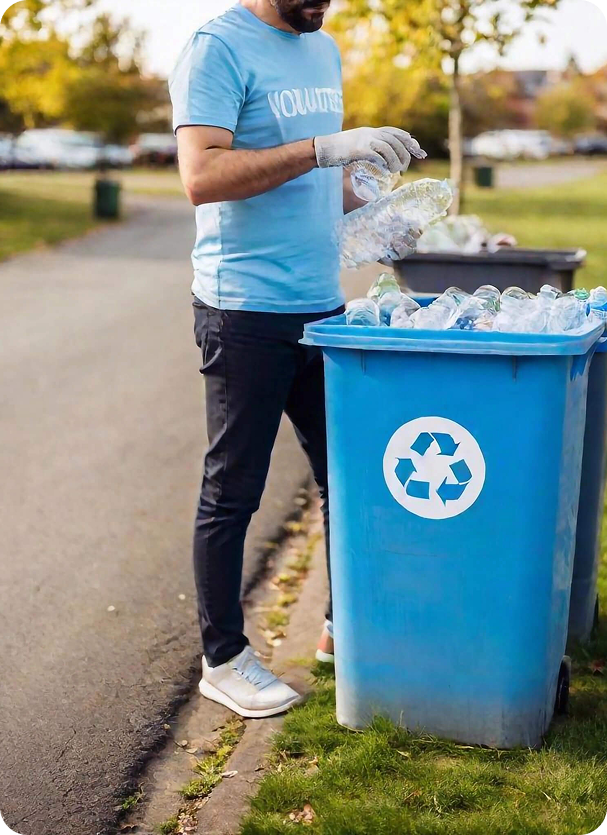
The day-to-day operations of a transfer station involve managing the inflow and outflow of waste, ensuring the proper handling and storage of materials, and maintaining a clean and safe facility. Logistics include coordinating waste transportation schedules, ensuring that waste is efficiently processed, and minimizing delays. Waste is usually sorted and compacted before being transferred to other facilities for final disposal or recycling. Facility management ensures that all operations adhere to environmental and safety standards. Transfer station managers also monitor waste types, ensure timely pickup, and ensure compliance with both local regulations and safety protocols to optimize the facility's performance.
Skilled Staffing and Workforce Management
Transfer station management relies heavily on skilled staffing to ensure that operations run efficiently and safely. Employees are trained to handle various types of waste, operate machinery, and follow environmental regulations. The workforce is responsible for overseeing waste receipt, ensuring proper sorting, maintaining equipment, and ensuring that all safety protocols are followed. Proper staffing also includes administrative support for regulatory compliance and record-keeping. Waste management professionals ensure that staff are well-trained and equipped with the knowledge and resources necessary to handle waste disposal and recycling processes safely and effectively, minimizing risks to workers and the environment.
Equipment and Facility Handling
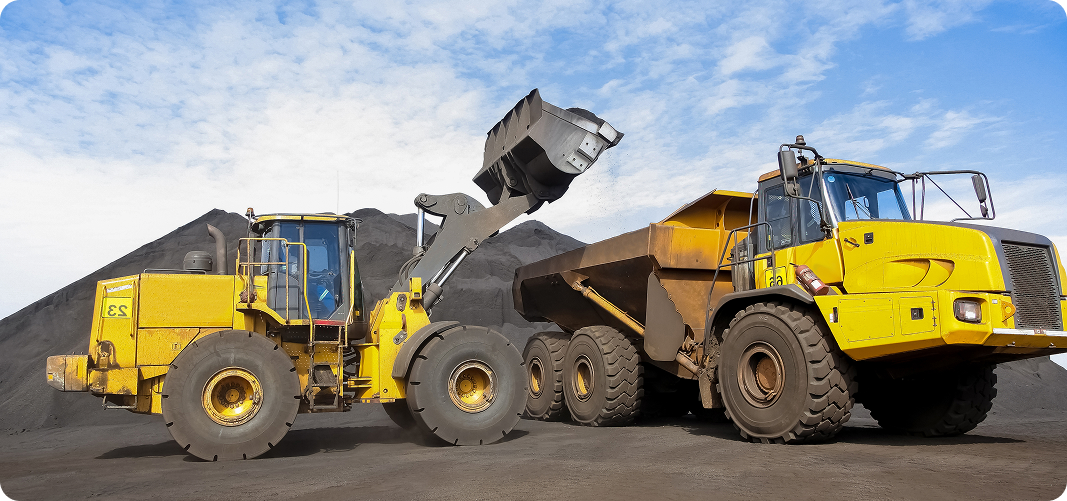
Proper equipment and facility management are critical components of transfer station operations. Transfer stations typically use machinery such as compactors, forklifts, and conveyors to handle waste efficiently. These machines help reduce the volume of waste and make it easier to load onto transportation vehicles. Regular maintenance of equipment ensures that operations run smoothly and minimizes downtime. The facility must be equipped with safety systems, such as fire suppression and leak detection, to manage potential risks. Transfer station managers oversee the handling of all equipment and ensure that the facility is well-maintained and capable of managing large volumes of waste while adhering to safety and environmental standards.
Waste Types Managed
Transfer stations handle a wide range of waste types, including municipal solid waste (MSW), construction and demolition debris (C&D), yard waste, recyclables, and bulky items. Some transfer stations also manage hazardous waste, though these require special handling and compliance with stringent regulations. Waste types are often sorted at the station before being sent to appropriate recycling or disposal facilities. Efficient management of these diverse waste streams is essential to maximize recycling efforts, reduce landfill use, and support sustainability. Proper waste classification also ensures that hazardous materials are disposed of safely, preventing contamination of the environment and protecting public health.
Operational Efficiency and Cost Reduction
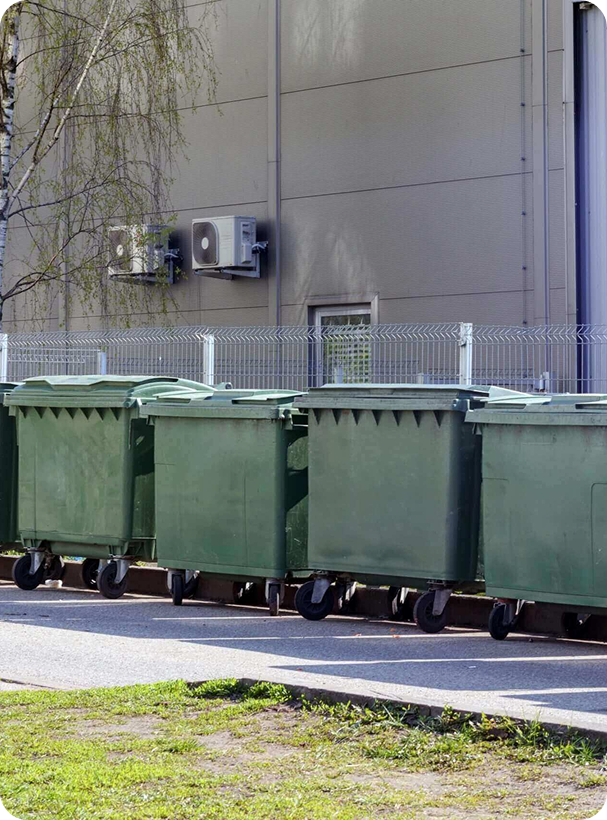
Operational efficiency is a key goal in transfer station management, as it directly impacts both cost reduction and service reliability. By streamlining processes like waste sorting, compaction, and transportation scheduling, transfer stations can minimize costs while ensuring timely waste disposal.
Automation and technology can play a significant role in improving efficiency, such as implementing tracking systems for waste volumes, load optimization, and predictive maintenance for equipment. Transfer station management services also focus on minimizing the distance between the station and final disposal or recycling facilities, reducing transportation costs and the environmental impact of waste transportation. Efficient operations help reduce overall waste management costs for both municipalities and businesses.
Environmental Compliance and Safety Standards
Environmental compliance and safety standards are critical aspects of transfer station management. Transfer stations must comply with federal, state, and local regulations governing waste management, air quality, water quality, and worker safety. These regulations ensure that waste is properly managed to prevent contamination of surrounding areas. Waste must be stored in appropriate containers to prevent leaks, and environmental monitoring systems must be in place to detect any issues early. Safety protocols include proper training for employees to handle hazardous materials, use equipment safely, and prevent accidents. Our services focus on strict adherence to environmental and safety regulations to minimize the environmental footprint of waste disposal.
Integration with Broader Waste Systems
Transfer stations play an integral role in the broader waste management system by acting as intermediary points where waste is consolidated, sorted, and transported. These facilities are linked to various other parts of the waste management process, including local collection systems, recycling plants, and landfills. By working with municipalities and businesses, transfer stations help ensure that waste is efficiently processed and routed to appropriate destinations. Effective integration with broader waste systems allows for greater waste diversion, improved recycling rates, and reduced landfill use. Additionally, it helps to streamline operations and improve overall waste management system performance, ultimately contributing to sustainability and waste reduction efforts.
Reporting and Performance Monitoring
Accurate reporting and performance monitoring are essential to maintaining efficient transfer station operations. We provide detailed reports on the volume of waste received, sorted, and transported, as well as the recycling rates and any potential issues that arise. Regular performance monitoring helps identify areas for improvement, reduce operational costs, and ensure that the facility is running at peak efficiency. These reports are also crucial for regulatory compliance, as they provide documentation of the station’s operations and waste management practices. Our team ensures that all monitoring activities are in line with industry standards and environmental regulations, promoting transparency and accountability.
Customized Solutions for Clients
We offer customized solutions for transfer station management based on the specific needs of each client. Whether you're a municipality, waste management company, or large business, we tailor our services to ensure that your waste is handled efficiently and in compliance with regulations. This includes providing flexible waste collection schedules, designing waste sorting systems, and offering specialized solutions for waste streams such as recyclables or hazardous materials. Our team works closely with clients to understand their waste management goals and create strategies that improve efficiency, reduce costs, and promote sustainability. We also provide ongoing support and adjustments as your needs change over time.
Contact Us
Get in touch with us today to learn more about how our operations and maintenance services can benefit your facility.
Frequently Asked Questions
A transfer station eliminates one of the most costly inefficiencies in waste collection: long hauls by small collection vehicles. Rather than driving individual garbage trucks many miles to a distant landfill or processing facility, those trucks deliver their loads to a nearby transfer station instead. At the station, waste is consolidated, typically compacted, and loaded onto larger transfer trailers for the longer haul to the final destination. This means collection trucks complete more routes per day, fuel consumption per ton of waste processed drops significantly, and the wear on residential streets from heavy vehicle traffic is reduced. The result is a more responsive, cost-efficient collection system.
Transfer stations can handle a broad mix of waste streams, which is part of what makes them operationally flexible. Municipal solid waste, the everyday household and commercial garbage collected on regular routes, makes up the largest volume at most facilities. Construction and demolition debris, yard waste, bulky items like furniture and appliances, and recyclables are also commonly received. Some transfer stations accept household hazardous waste during designated collection events, though this requires separate handling protocols. The ability to receive and route multiple waste streams in one location simplifies logistics for both haulers and municipalities, consolidating what would otherwise be separate trips.
Daily operations at a transfer station require careful coordination from the moment the facility opens to the moment the last transfer trailer departs. Incoming vehicles are directed to designated tipping areas based on the type of material they're carrying. Waste is inspected as it arrives to screen out prohibited or hazardous materials. Once tipped, waste is pushed, sorted as needed, and moved toward compaction and loading areas where transfer trailers are filled and staged for departure. Throughout the day, the tipping floor is maintained to prevent unsafe accumulations, and traffic flow is managed to avoid congestion. Zero Waste Solutions structures this workflow to keep output high and disruptions minimal.
Transfer stations rely on a specific set of equipment to handle high volumes of waste efficiently and safely. Compactors reduce the volume of waste before it's loaded into transfer trailers, maximizing the payload of each outbound truck. Bulldozers and front-end loaders manage the tipping floor, pushing waste toward loading areas and maintaining organized material flows. Conveyors may be used in facilities that process recyclables or sort specific waste streams. Scales weigh incoming and outgoing vehicles to track tonnage and meet billing and regulatory requirements. Fire suppression systems, drainage infrastructure, and leachate controls address the environmental and safety risks inherent in handling large volumes of mixed waste.
Environmental compliance at a transfer station starts with waste acceptance protocols that screen incoming loads for prohibited materials, particularly hazardous waste that could contaminate the facility or end up in an inappropriate disposal pathway. Leachate management systems capture and contain liquid that drains from waste on the tipping floor. Stormwater controls prevent contaminated runoff from reaching drainage systems. Air quality management addresses dust and odor generation, particularly important for facilities operating near residential areas. Worker safety is protected through trained staff, defined traffic management protocols, and proper personal protective equipment requirements. We maintain all required documentation and reporting to keep the facility compliant with local, state, and federal regulations.
Yes, and effective management really does require customization because no two facilities operate under identical conditions. Volume, waste mix, physical layout, hours of operation, regulatory environment, and staffing levels all vary. A small rural transfer station serving a low-volume municipality has fundamentally different needs from a large urban facility processing thousands of tons per day. We assess your facility's specific characteristics before designing a management approach, covering everything from staffing structure and equipment maintenance to environmental monitoring programs and regulatory reporting requirements. As your operation grows or conditions change, Zero Waste Solutions adjusts the management program accordingly.
Transfer stations reduce costs primarily through the consolidation effect: fewer, larger vehicles make the long haul rather than many small ones. This cuts per-ton transportation costs substantially. Beyond that, well-managed facilities reduce costs through operational discipline. Efficient tipping floor management reduces the time vehicles spend at the facility, which improves hauler productivity and reduces overtime. Equipment maintained in good condition breaks down less often, avoiding costly emergency repairs and service interruptions. Material recovery activities at the station, where recyclables or other valuable streams are pulled out before waste reaches the transfer trailer, can generate revenue or reduce disposal fees.
We provide comprehensive reporting that covers the full picture of your transfer station's operational and environmental performance. Tonnage reports track waste received by type and source, outbound loads by destination, and recycling diversion volumes over time. Equipment performance data identifies maintenance trends and supports decisions about repair versus replacement. Environmental monitoring reports document compliance with leachate, stormwater, and air quality requirements. All of this data is organized and presented in a format that serves your internal management needs as well as your regulatory reporting obligations. If your organization needs consolidated reporting across multiple locations, we can structure reporting to give you that multi-site view.
Get in Touch Today!
For more information about our Integrated Solid Waste Management services or to partner with us, contact our team today.
Contact Us NowContact Us Today
Discover the future of Integrated Solid Waste Management with Zero Waste Solutions. Learn more about how we can transform your waste management strategy and work together towards a more sustainable future.
"*" indicates required fields
