
Simplify Data, Strengthen Decisions
Zero Waste Solutions, Inc. combines data from multiple sources into a single, easy-to-use report to support better decision-making. Our consolidated reporting services simplify data collection, delivering real-time insights that help businesses save time, track sustainability goals, and enhance operational efficiency.
We present accurate and up-to-date metrics like total waste volume, diversion rates, landfill tonnage, greenhouse gas emissions reductions, and material recovery breakdowns. You gain a clear view of your entire waste management performance.
What Net Zero Means
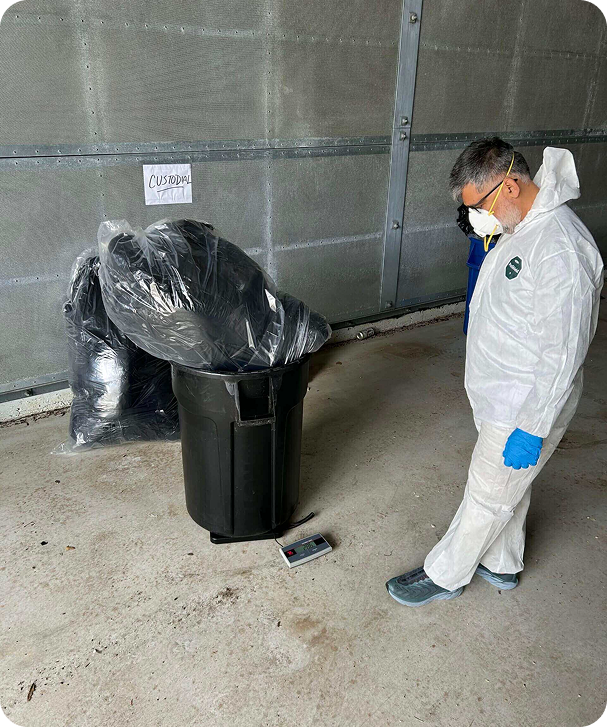
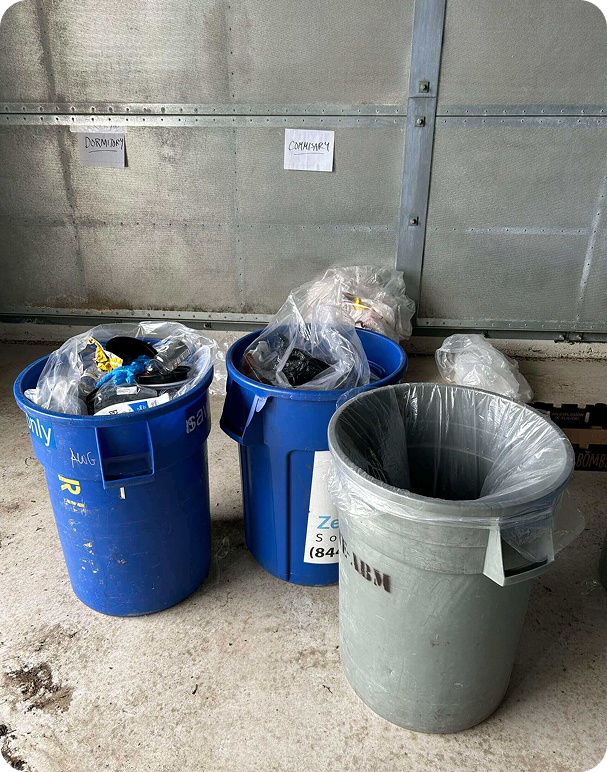
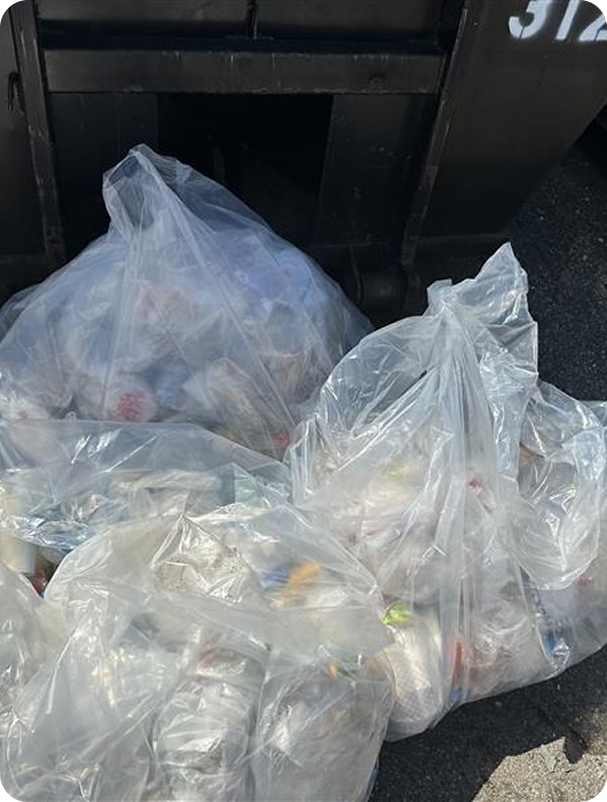
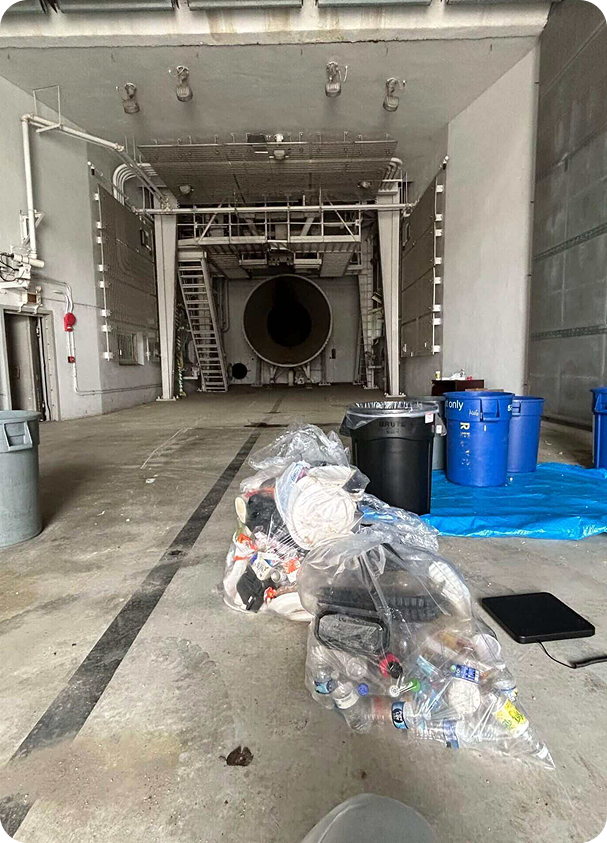
Measuring emissions is often considered the foundation of any net zero plan, but our approach focuses on waste stream analysis rather than emissions tracing. This process begins with analyzing waste data to understand what is being placed in recycling, trash, and composting bins, which includes identifying patterns and contamination within waste streams. This includes detailed evaluation of materials found in recycling, trash, and composting bins rather than direct emissions from operations (scope 1), indirect emissions from electricity consumption (scope 2), and supply chain emissions (scope 3). Accurate waste data analysis is essential for setting realistic targets and tracking progress. It helps organizations identify waste reduction opportunities and diversion improvements and prioritize reduction efforts. Waste analysis tools and methodologies are continually evolving, and having a reliable baseline ensures that all future decisions are based on sound, measurable data.
Why Net Zero Plans Matter
Net zero plans are essential for mitigating climate change and reducing environmental impacts. They outline clear actions and strategies to achieve carbon neutrality, focusing on reducing emissions across operations. With growing public awareness and government regulations on emissions, businesses are increasingly expected to show commitment to sustainability. A well-developed net zero plan provides organizations with a roadmap to reduce their carbon footprint, improve operational efficiency, and enhance their reputation as environmentally responsible entities. These plans help organizations contribute to global climate goals, meet regulatory requirements, and position themselves as leaders in sustainability and corporate social responsibility
Setting Ambition and Targets
Setting clear and measurable targets is a crucial first step in achieving net zero. These targets define the level of emission reductions required to reach net zero by a specific date, typically aligned with global climate goals. Organizations must set both short-term and long-term targets, which could include goals like reducing emissions by 50% by 2030 and achieving net zero by 2050. Ambitious targets are essential for ensuring meaningful progress toward sustainability and for holding organizations accountable. These goals should be informed by science-based targets, considering both industry benchmarks and the latest climate science to ensure alignment with global decarbonization efforts.
Emissions Measurement and Baseline Assessment
Measuring emissions is the foundation of any net zero plan. This process begins with establishing a baseline assessment, which includes calculating the total emissions generated by an organization. This includes direct emissions from operations (scope 1), indirect emissions from electricity consumption (scope 2), and supply chain emissions (scope 3). Accurate emissions measurement is essential for setting realistic targets and tracking progress. It helps organizations identify major emission sources and prioritize reduction efforts. Emissions measurement tools and methodologies are continually evolving, and having a reliable baseline ensures that all future decisions are based on sound, measurable data.
Net Zero Strategy Development
Net zero strategy development is a comprehensive process that involves designing an action plan to reduce emissions while considering the feasibility, costs, and timeline for achieving the target. The strategy should be tailored to the specific needs and capabilities of the organization, considering factors like operational scope, energy usage, and the nature of emissions. This process typically involves collaboration between stakeholders across various departments, including sustainability, finance, and operations. The strategy may include renewable energy adoption, process optimization, supply chain management, and innovation in product design. Aligning the strategy with both internal goals and global decarbonization targets is key to achieving lasting success.
Reduction Pathways and Decarbonization Actions
Reduction pathways and decarbonization actions form the core of any net zero plan. These pathways focus on systematically reducing emissions across various aspects of operations. Actions include increasing energy efficiency, transitioning to renewable energy, adopting low-carbon technologies, and changing business practices to minimize waste. Additionally, decarbonizing transportation, manufacturing, and supply chains plays a significant role. For industries with hard-to-abate emissions, carbon capture technologies and alternative fuels may be necessary. The most effective pathways will be based on a combination of immediate reductions and long-term systemic changes that significantly lower emissions without compromising business growth or productivity.
Carbon Removal and Offset Strategy
While reducing emissions is the primary focus, carbon removal and offset strategies help organizations balance the remaining emissions that cannot be eliminated. Carbon removal refers to methods like reforestation or direct air capture that physically remove CO2 from the atmosphere. On the other hand, carbon offsets involve investing in external projects, such as renewable energy initiatives or forest conservation, to compensate for an organization's emissions. While offsetting is useful, it should complement direct reduction efforts rather than replace them. A robust carbon removal and offset strategy ensures that a business remains accountable for the emissions it generates while contributing to larger climate efforts.
Governance and Stakeholder Engagement
Effective governance is critical to the success of a net zero plan. Clear leadership, accountability, and oversight structures ensure that goals are met and that actions align with broader organizational priorities. Stakeholder engagement is equally important, as involving employees, customers, suppliers, and investors fosters buy-in and collaboration.

Effective engagement includes transparent communication of goals, progress, and challenges, which helps build trust and accountability. Engaging stakeholders in the journey also promotes a culture of sustainability throughout the organization, ensuring that everyone is aligned in achieving net zero and advancing shared environmental goals.
Reporting, Transparency and Accountability
Transparent reporting is essential for ensuring that an organization’s net zero progress is measurable and accountable. Regular reports should be issued to track emission reductions, offset purchases, and progress toward sustainability goals. These reports allow stakeholders to understand where the organization stands and the challenges it may face. Third-party verification and alignment with international standards, such as the Greenhouse Gas Protocol and the Science-Based Targets Initiative, can add credibility to the reporting process. Transparent reporting fosters trust with investors, customers, and regulators, ensuring that net zero claims are genuine and supported by data-driven actions.
Aligning With Standards and Best Practices
Aligning net zero plans with recognized standards and best practices is essential for ensuring credibility and impact. International guidelines, such as the Paris Agreement, the Greenhouse Gas Protocol, and the Science-Based Targets Initiative (SBTi), offer a framework for setting, measuring, and reporting on net zero goals. These frameworks ensure that organizations take consistent and meaningful actions in line with global climate objectives. Best practices in net zero planning include setting ambitious yet achievable targets, prioritizing emissions reduction efforts, and being transparent about progress. By following these standards, organizations contribute to broader global efforts to limit global warming and accelerate the transition to a low-carbon economy.
Technology, Tools and Modeling Support
Achieving net zero often requires the integration of advanced technologies and tools that enable effective monitoring, reporting, and optimization of emissions reduction efforts. Data analytics platforms, carbon accounting software, and modeling tools are commonly used to track emissions, predict outcomes, and identify the most cost-effective reduction strategies. These technologies also help businesses simulate various decarbonization scenarios, aiding in the decision-making process. By using the latest digital tools, organizations can optimize their emissions reduction pathways, improve data accuracy, and ensure that their strategies are aligned with the latest industry standards and best practices.
Net Zero Workshops and Training
Zero Waste Solutions offers workshops and training sessions designed to help businesses and organizations implement their net zero strategies effectively. These workshops provide valuable insights into the science of climate change, the steps required to reach net zero, and how to integrate sustainability into day-to-day operations. Our training programs are customizable and can be tailored to the specific needs of different teams, from senior leadership to operational staff. By educating employees and stakeholders, we ensure that everyone is aligned with the organization’s sustainability goals and has the knowledge and skills to contribute to the net zero journey.
Industry Examples and Case Studies
We provide industry-specific examples and case studies that demonstrate how organizations have successfully implemented net zero plans. These case studies highlight the strategies used, challenges faced, and outcomes achieved by businesses across various sectors, including manufacturing, transportation, energy, and agriculture. By showcasing real-world examples, we help organizations understand the practical application of net zero strategies and inspire them to take similar actions. Case studies also provide valuable insights into how to overcome obstacles, maximize efficiency, and measure success in achieving sustainability and decarbonization targets.
Contact Us
Get in touch with us today to learn more about how our operations and maintenance services can benefit your facility.
Frequently Asked Questions
A net-zero waste strategy matters because the business environment has shifted in ways that make waste performance genuinely consequential. Regulations in many jurisdictions now mandate diversion targets or impose fees on landfill disposal volumes. Investors and lenders increasingly incorporate ESG metrics, including waste and emissions data, into their decision-making. Customers and procurement partners, especially in government contracting and large commercial supply chains, expect documented sustainability performance. Beyond external pressure, there's also an internal case: organizations that systematically manage waste streams tend to identify process inefficiencies, reduce disposal costs, and improve their operational discipline in ways that go beyond waste alone.
The planning process begins with a thorough baseline assessment of your current waste generation. We analyze what's going into your general trash, recycling, and composting streams by reviewing existing service data and, where helpful, conducting waste sorts that identify the actual composition of your disposal stream. This tells us what materials are present, in what proportions, and whether they're being handled most appropriately. We then map current diversion rates against your total waste volume to establish a clear picture of what's being recovered and what's still going to landfill. This baseline is the foundation everything else builds on, including target setting, program design, and performance measurement.
After the baseline assessment is complete, we work with your team to establish realistic but ambitious diversion and reduction targets aligned with your sustainability commitments and regulatory requirements. We then identify the specific program changes and infrastructure investments needed to hit those targets, which may involve adding new recycling streams, launching food waste composting, upgrading collection systems, or training staff on proper sorting practices. A phased implementation timeline is developed so changes are introduced in a sequence that's manageable for your operations. Reporting mechanisms are set up to track progress against targets from day one. Zero Waste Solutions stays involved as the program runs, reviewing performance data and recommending adjustments as needed.
Waste reduction and recycling address net zero goals at multiple levels. Reducing waste at the source means fewer materials are produced, purchased, or consumed unnecessarily, which cuts embedded carbon from manufacturing and distribution. Recycling diverts materials from landfill, preventing the methane emissions associated with organic content decomposing without oxygen. It also reduces the demand for virgin raw materials, which are energy-intensive to extract and process. Composting food and organic waste avoids methane generation while returning nutrients to the soil, supporting agricultural sustainability. When combined in a coordinated strategy, waste reduction and recycling typically represent some of the most cost-accessible pathways available on the road to net zero.
Yes, tracking progress is central to what makes a net-zero plan credible rather than aspirational. We establish baseline performance metrics before the program launches, then track diversion rates, landfill tonnage, greenhouse gas emissions reductions, and material-specific recovery data on an ongoing basis. We also produce documentation formatted for use in ESG reports, sustainability disclosures, and regulatory submissions, saving your team the work of compiling and formatting data that's already being collected. If performance is falling short in a particular area, our team analyzes the data and recommends corrective actions before the gap becomes a structural problem.
Yes, alignment with recognized frameworks and applicable regulations is something we incorporate into net zero plan development from the start. We're familiar with the major frameworks organizations reference for sustainability commitments, including science-based target methodologies, the Greenhouse Gas Protocol for waste-related emissions accounting, and various federal and state sustainability mandates that apply to government contractors, municipalities, and regulated industries. For organizations pursuing voluntary certifications or responding to investor ESG questionnaires, we can structure reporting to match the data requirements of those frameworks. Regulatory alignment is particularly important for our federal, military, and municipal clients, who operate under formal sustainability mandates with specific diversion and reporting obligations.
Virtually any industry that generates significant waste stands to benefit, but several sectors see particularly strong returns. Federal agencies and military installations operate under executive sustainability mandates and need structured programs with documented outcomes. Universities and colleges generate diverse waste streams across academic, residential, and food service operations and often face increasing pressure from students, donors, and accreditation bodies to demonstrate sustainability leadership. Healthcare organizations are balancing regulated medical waste obligations with general sustainability commitments. Commercial real estate portfolios benefit from net-zero planning as green building certifications and tenant sustainability expectations increase. Manufacturing facilities with high material throughput have significant reduction and recycling opportunities that translate directly into cost savings alongside environmental improvements.
The cost and environmental benefits of a net-zero waste plan reinforce each other across multiple dimensions. Reducing waste at the source means purchasing less material, which cuts procurement costs. Diverting more to recycling and composting reduces disposal fees, since recycling typically costs less per ton than landfill disposal. More efficient collection scheduling reduces hauling costs. Lower contamination rates mean fewer rejected loads and the processing fees that come with them. Cumulatively, organizations that achieve high diversion rates consistently spend less on waste management than those operating without a structured program. Environmentally, the methane avoided through landfill diversion represents a genuine and measurable contribution to reduced environmental impact.
Get in Touch Today!
For more information about our Integrated Solid Waste Management services or to partner with us, contact our team today.
Contact Us NowContact Us Today
Discover the future of Integrated Solid Waste Management with Zero Waste Solutions. Learn more about how we can transform your waste management strategy and work together towards a more sustainable future.
"*" indicates required fields
