
How To Implement Effective Waste Reduction Strategies
For businesses, institutions, and large-scale operations, managing waste effectively is no longer optional. It is a critical part of operational efficiency, regulatory compliance, and long-term sustainability planning.
While households also play a role in reducing waste, organizations generate significantly higher volumes of material, making strategic waste reduction essential for controlling costs and minimizing environmental impact.
Effective waste reduction strategies help organizations streamline operations, reduce disposal expenses, and improve sustainability performance across facilities.
Adopting thoughtful waste reduction strategies allows organizations to reduce environmental impact, lower operational costs, and create more organized, efficient systems. From commercial properties and schools to construction sites and government facilities, waste reduction efforts must account for complex waste streams, staffing behaviors, and local regulations. Implementing these strategies requires a clear understanding of waste sources, usage patterns, and the systems that support responsible material management at scale.
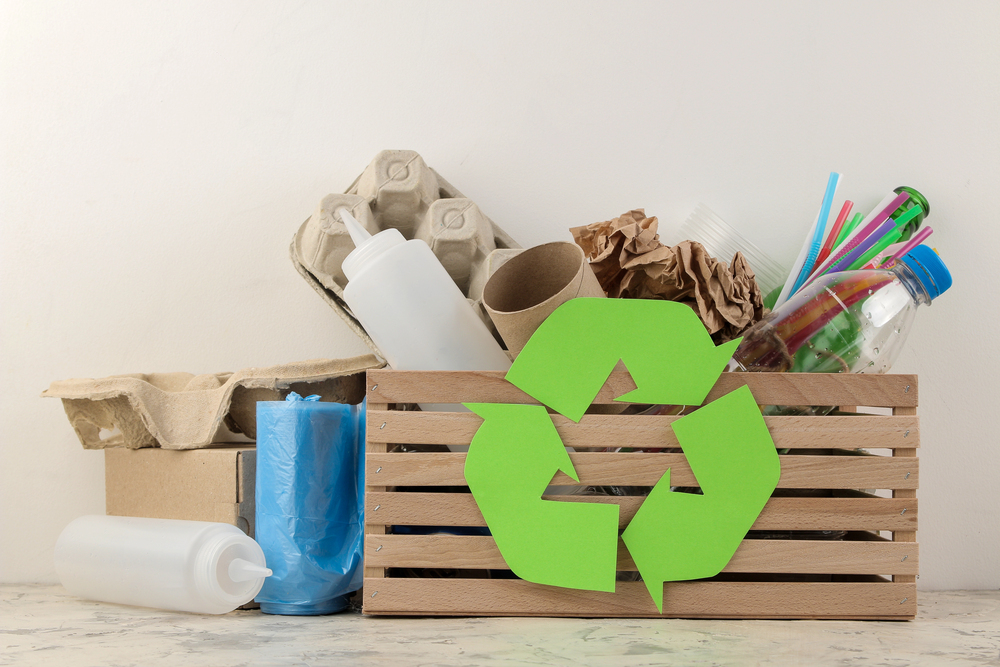
Assessing Waste Streams
For businesses and institutions, effective waste reduction strategies begin with a detailed assessment of where and how waste is generated across operations. Commercial facilities, schools, construction sites, and government buildings often produce multiple waste streams simultaneously, including food waste, packaging, office materials, construction debris, and regulated materials. Understanding these streams is essential for identifying inefficiencies, compliance risks, and cost-saving opportunities.
By reviewing what materials are discarded and how frequently waste is generated, organizations can identify patterns and areas with the greatest reduction potential. Formal waste audits are commonly conducted over several days or weeks, categorizing materials into recyclables, compostables, recoverable materials, and landfill-bound waste. This structured approach provides accurate data that supports informed decision-making.
Analyzing waste streams also helps uncover operational inefficiencies that increase disposal costs. Over-purchasing supplies, excessive packaging, and improper sorting are common issues in commercial environments. Businesses can evaluate procurement practices, inventory management, and employee workflows to understand how waste is introduced into daily operations. In institutional settings, reviewing usage patterns across departments often reveals opportunities for standardization and reduction.
Observing waste patterns over time provides insight into seasonal fluctuations, project-based waste spikes, or occupancy-related changes that affect overall volume. This data allows organizations to prioritize high-impact areas, set realistic reduction benchmarks, and align waste strategies with operational goals. Information gathered during assessments establishes a baseline for measuring progress, demonstrating improvement, and supporting long-term sustainability planning.
Reducing Material Consumption
Reducing material consumption is one of the most effective waste reduction strategies for businesses and institutions seeking long-term cost control and sustainability improvements. Excess purchasing, short product lifespans, and reliance on disposable materials significantly increase waste volumes and disposal expenses across commercial and public-sector operations. By addressing material use at the source, organizations can reduce waste before it enters the system.
Limiting unnecessary purchases, choosing durable over disposable items, and transitioning to reusable alternatives can dramatically reduce waste generation. In office environments, shifting to digital documentation and centralized printing policies reduces paper consumption. In facilities and construction settings, selecting standardized materials and reusable packaging minimizes excess waste. These changes support operational efficiency while lowering procurement and hauling costs.
Evaluating purchasing decisions through a lifecycle lens further strengthens waste reduction efforts. Selecting products that can be repaired, refilled, or repurposed extends usability and reduces replacement frequency. At an organizational level, standardizing supplies, improving inventory management, and preventing overstock limits surplus materials that often end up discarded. For large facilities, coordinated purchasing across departments helps control material flow and reduce duplication.
Shifting procurement practices also influences suppliers to offer more sustainable products and packaging options. Each avoided or optimized purchase reduces upstream waste, transportation emissions, and handling costs. When implemented consistently, material reduction strategies deliver measurable waste reductions over time while supporting broader sustainability and compliance goals.
Recycling and Composting Practices
Recycling and composting are critical components of effective waste reduction strategies for businesses and institutions, but they are most successful when supported by proper system design and source reduction efforts. High-volume facilities generate diverse materials that require clear separation to prevent contamination and maximize recovery rates. Well-structured recycling and composting programs help organizations divert significant volumes of waste from landfills while controlling disposal costs.
Separating recyclable materials such as paper, plastics, metals, and glass improves material recovery and reduces contamination. Composting food scraps, yard waste, and other organic materials diverts biodegradable waste from landfills, reducing methane emissions and supporting sustainable material reuse. These practices are particularly impactful in schools, commercial kitchens, office campuses, and municipal facilities.
Successful implementation depends on accessibility, consistency, and education. Clearly labeled bins, standardized signage, and convenient collection points enable correct material sorting across departments and user groups. On a larger scale, institutions often partner with qualified recycling and composting service providers to manage materials that cannot be processed onsite. Aligning collection schedules with waste generation patterns prevents overflow and service disruptions.
Proper recycling and composting programs also ensure compliance with regulations and facilitate accurate sustainability reporting. Tracking diversion rates, contamination levels, and participation data allows organizations to identify gaps and improve performance. Composting contributes to soil health and nutrient retention, while recycling conserves natural resources and reduces energy use. Ongoing monitoring ensures programs remain effective as waste streams and operational needs change.
Employee and Household Engagement
Reducing waste in businesses and institutions relies on active engagement from employees, facility managers, and other stakeholders. Staff participation in recycling, composting, and material reduction initiatives is essential for achieving measurable waste reduction goals. Clear communication, training, and recognition programs motivate employees to adopt sustainable practices consistently across departments and operations.
Engagement begins with education and awareness campaigns. Signage, workshops, and hands-on demonstrations teach proper sorting, material handling, and the benefits of digital workflows over paper, supporting facility-wide compliance. Regular reminders and accessible resources reinforce habits and prevent mistakes that can compromise program effectiveness.
Feedback loops are key to sustaining engagement. Sharing results, such as reductions in waste volume, cost savings, or diversion rates, demonstrates the tangible impact of employee actions. Recognition programs, incentives, and internal competitions foster a culture of responsibility and collective accountability. Encouraging staff to contribute ideas for improvement also strengthens buy-in and continuous enhancement of waste reduction initiatives.
By creating a culture of sustainability within an organization, businesses and institutions ensure long-term commitment to responsible waste management practices rather than short-term compliance. Consistent engagement transforms daily operations and integrates waste reduction as a core part of organizational processes.
Monitoring and Measuring Progress
Effective waste reduction strategies for businesses and institutions depend on continuous monitoring and measurement. Regular audits of waste streams, review of collection data, and tracking of key performance indicators (KPIs) allow organizations to assess progress and identify opportunities for improvement. Without systematic tracking, it is difficult to determine whether initiatives are achieving desired operational, environmental, or cost-saving outcomes.
Monitoring also reinforces accountability across departments and facilities. Businesses can verify compliance with internal sustainability policies, industry standards, and local regulations. Data-driven tracking supports informed decision-making, highlighting which areas require additional training, process adjustments, or technology interventions.
Analyzing trends over months or years helps refine strategies and avoid repeating inefficiencies. Tracking program-specific results, such as reductions in paper usage, food waste diversion, or packaging volume, provides measurable evidence of success. Sharing these insights with staff, stakeholders, or facility managers motivates participation and reinforces the impact of collective efforts.
Consistent monitoring ensures that waste reduction programs remain dynamic and adaptable to operational changes, seasonal variations, and evolving organizational goals. Over time, this structured approach enables sustainable improvements, cost control, and enhanced environmental performance across all organizational operations.
Supplier and Vendor Collaboration
An effective waste reduction strategy extends beyond internal operations to include collaboration with suppliers and vendors. Businesses and institutions can reduce waste volumes and associated costs by requesting minimal or recyclable packaging, selecting vendors with sustainable practices, and coordinating delivery schedules. Bulk purchasing and consolidated orders further reduce packaging and transportation impacts.
Collaborating with suppliers not only reduces waste but can also generate cost savings. Some vendors offer take-back programs, refill services, or reusable packaging solutions that eliminate single-use materials. Aligning procurement with sustainability goals strengthens overall waste reduction efforts and encourages a wider culture of environmental responsibility.
Regular communication with suppliers fosters innovation and the adoption of more sustainable materials. Engaging vendors in an organization’s sustainability objectives demonstrates commitment and can positively influence their operations. Collaboration often uncovers creative solutions that would not emerge within a single organization, driving measurable waste reductions and operational efficiencies.
Custom Solutions for Unique Needs
Every organization faces unique waste challenges that require tailored strategies for maximum impact. Commercial facilities, schools, construction sites, and government buildings each have distinct operational needs, waste streams, and compliance requirements. Customizing solutions ensures that waste reduction efforts are practical, efficient, and aligned with organizational goals.
Zero Waste Solutions, Inc., works directly with sites to gather detailed information, develop tailored plans, and implement solutions that meet both operational and regulatory requirements. On construction sites, this may involve segregating materials by type and scheduling timely removal. In schools or offices, programs may target cafeteria food waste, classroom materials, or office supplies.
Custom solutions also allow for flexibility and scalability. Adjusting strategies to accommodate seasonal fluctuations, project-based variations, or facility expansions ensures sustained effectiveness over time. Tailored programs engage participants more effectively because the measures are relevant to their daily operations and responsibilities.
Technology Integration for Waste Reduction
Integrating technology enhances the effectiveness of waste reduction strategies for businesses and institutions. Digital tracking systems allow organizations to monitor the volume and types of waste produced across multiple sites. Smart bins, sensors, and automated alerts help facilities manage collection schedules, prevent overflow, and maintain operational efficiency.
Technology enables data-driven decision-making, providing insights into trends, waste composition, and performance metrics. For example, tracking paper use in offices or food waste in cafeterias allows targeted interventions and enables measurable improvements. Analytics also help organizations allocate resources efficiently and identify areas where additional training or infrastructure adjustments are needed.
Integrating technology fosters accountability and transparency. Stakeholders can view real-time results, motivating participation and encouraging continuous improvement. Automation tools reduce manual workload, streamline operations, and make it easier to achieve and maintain waste reduction goals across the organization.
Education and Training Programs
Education and training are essential for implementing successful waste reduction strategies in businesses and institutions. Employees, facility managers, and other stakeholders are more likely to participate effectively when they understand the purpose, benefits, and proper application of sustainable practices. Workshops, instructional guides, and hands-on demonstrations build knowledge, confidence, and compliance across departments.
Regular training reinforces proper behaviors and prevents mistakes that can compromise program effectiveness. Staff and stakeholders learn how to sort recyclables correctly, compost efficiently, and minimize unnecessary waste. Training also encourages problem-solving and creative thinking around sustainability challenges in operational settings.
Creating a culture of continuous learning ensures long-term commitment to responsible waste management. Informed individuals become advocates for sustainability, share insights with colleagues, and support ongoing improvements. Education strengthens consistency, engagement, and the overall success of organizational waste reduction programs.
Policy and Procedure Development
Clear policies and procedures are critical for ensuring consistent waste reduction across businesses and institutions. Written guidelines establish expectations for material use, disposal practices, and accountability at all levels of the organization. They help standardize operations, prevent misunderstandings, and ensure compliance with local, regional, and national regulations.
Well-defined policies also provide a framework for continuous improvement. Organizations can track results, adjust strategies, and maintain progress over time. Consistent procedures lead to measurable outcomes, strengthen a culture of sustainability, and enhance long-term operational efficiency. Policies can also be used to guide procurement, vendor collaboration, and employee engagement in waste reduction efforts.
Continuous Improvement
Waste reduction is an ongoing process for businesses and institutions, not a one-time effort. Systems, processes, and behaviors should be reviewed and updated regularly to adapt to operational changes, evolving regulations, and emerging sustainability technologies. Introducing new tools, adjusting workflows, and responding to stakeholder feedback ensures that strategies remain effective and relevant.
Documenting progress encourages reflection on what worked well and what can be improved. Regular evaluation keeps waste reduction initiatives aligned with organizational goals and community expectations. Iterative improvements drive long-term success, delivering both environmental benefits and cost savings while embedding sustainable practices into daily operations.
By committing to continuous improvement, organizations maintain accountability, achieve measurable results, and strengthen their culture of sustainability across all departments and facilities.
Implementing Effective Waste Reduction Strategies for Businesses and Institutions
Implementing effective waste reduction strategies requires careful planning, active participation, and consistent monitoring. For businesses, institutions, and large-scale operations, these strategies can significantly reduce operational costs, improve compliance, and advance sustainability goals. By assessing waste streams, reducing material consumption, engaging employees and stakeholders, and collaborating with suppliers, organizations can achieve measurable waste reductions and operational efficiencies.
Zero Waste Solutions, Inc., leverages years of experience to design and implement customized strategies that meet the unique needs of each organization. Combining practical measures with continuous evaluation ensures long-term results and advances both financial and environmental objectives.
Contact us today to learn how Zero Waste Solutions can help your organization reduce waste, improve efficiency, and achieve zero-waste outcomes.
