
Simplify Data, Strengthen Decisions
Zero Waste Solutions, Inc. combines data from multiple sources into a single, easy-to-use report to support better decision-making. Our consolidated reporting services simplify data collection, delivering real-time insights that help businesses save time, track sustainability goals, and enhance operational efficiency.
We present accurate and up-to-date metrics like total waste volume, diversion rates, landfill tonnage, greenhouse gas emissions reductions, and material recovery breakdowns. You gain a clear view of your entire waste management performance.
Program Overview
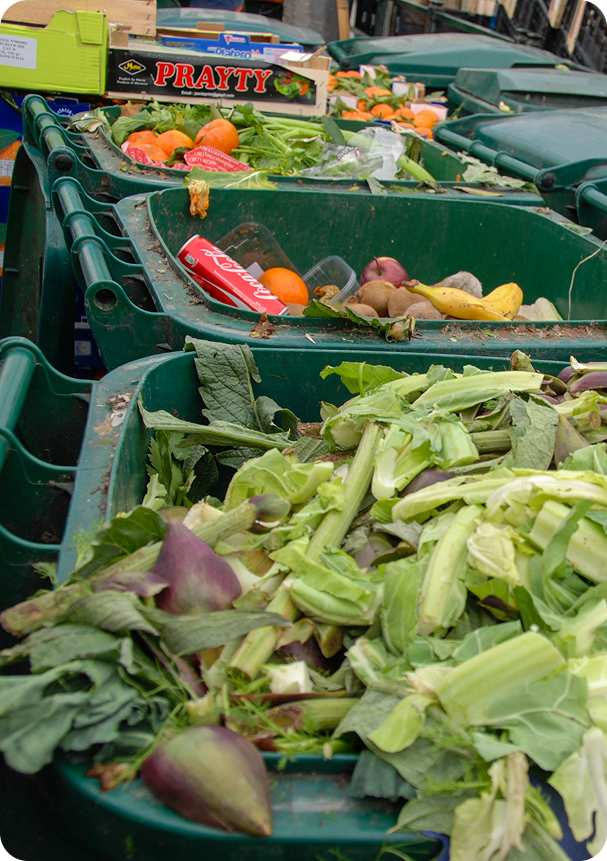
Imagine turning your food scraps into food for the earth. That is the simple idea behind our food waste composting program. At Zero Waste Solutions, we make it easy for businesses, schools, and families to give their organic waste a powerful new purpose.
Instead of sending banana peels, coffee grounds, and leftovers to the landfill, you can help them transform into nutrient-rich compost. This "black gold" enriches soil, helps gardens thrive, and closes the loop in a beautiful, natural cycle. By joining us, you are taking a direct, positive step for the planet, reducing methane emissions, and building healthier soil right in your community.
We handle the complex parts, providing you with simple tools and clear guidelines. Our goal is to make composting a seamless, rewarding part of your routine, for everyone involved.
How the Program Works
Getting started is straightforward. Here’s your simple, three-step journey with us:
- Collect. We provide you with easy-to-use kitchen caddies or collection bins. Simply toss in your approved food scraps, from fruit and vegetable peelings to eggshells and coffee filters.
- We Pick Up. On your scheduled collection day, just set your filled bin out. Our reliable service ensures your food waste is whisked away regularly, keeping things clean and convenient.
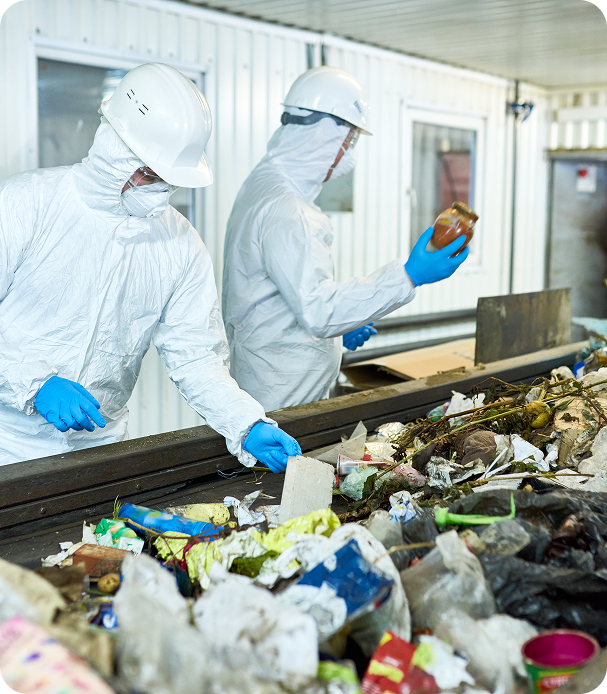
- We Transform & Return. We take your collected scraps to our local composting facility. Here, using carefully managed natural processes, we transform them into high-quality, finished compost. This wonderful soil amendment then goes back to nourish farms, gardens, and landscapes, do reporting and data driving after completing processing steps and provide recommendations for future improvements completing the circle.
You handle the simple first step, and we manage the rest—turning your everyday waste into a valuable resource for a greener tomorrow. Let’s get started.
Preventive Maintenance and Repair Coordination
Preventive maintenance is essential for keeping your equipment in top working condition and minimizing breakdowns. Our preventive maintenance services include regular inspections, lubrication, and system checks based on manufacturer guidelines and industry best practices. We help coordinate necessary repairs to ensure that equipment stays operational and compliant with safety standards. By scheduling maintenance before issues arise, we reduce the likelihood of emergency repairs and extend the lifespan of your assets. Our team also handles any repair coordination, ensuring that issues are addressed quickly to minimize disruption to your operations and avoid costly downtime.
Lifecycle Management and Asset Optimization
Lifecycle management is a critical aspect of maximizing the return on investment for your equipment. Our services focus on tracking the entire lifecycle of each asset, from purchase to ensuring that each piece of equipment is utilized to its fullest potential. We provide strategies for optimizing asset usage, including recommendations for upgrades, repurposing, or replacement when necessary. Our team ensures that maintenance schedules, repairs, and upgrades are aligned with the asset’s lifecycle, allowing you to make informed decisions about when to invest in new equipment or when it’s more cost-effective to continue using existing assets. This approach helps you extend the life of your equipment while maintaining optimal performance.
What Can Be Composted
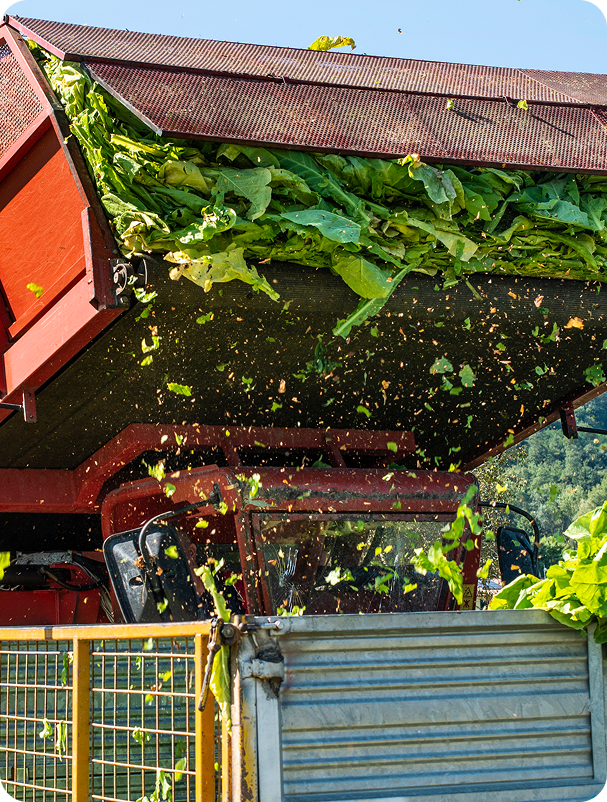
Our food waste composting program accepts a wide variety of organic materials, including fruits, vegetables, coffee grounds, eggshells, and food scraps. These materials break down easily and create nutrient-rich compost that can be used to enrich soil. Other compostable items include bread, pasta, rice, and paper towels.
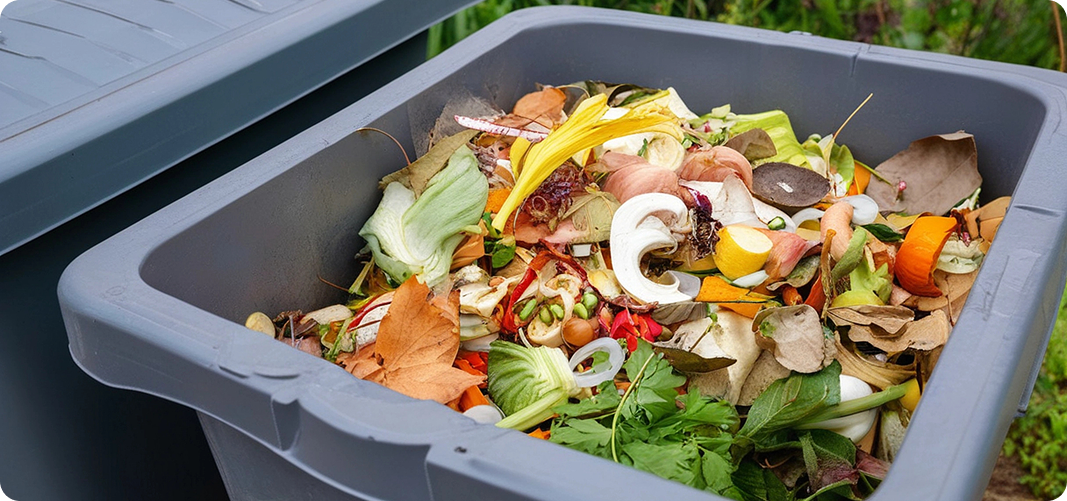
However, it’s important to note that the program does not accept non-organic materials such as plastics, metals, or glass. Dairy products, oils, and meats are also excluded as they may attract pests or slow down the decomposition process. We provide participants with a list of acceptable items to help ensure the composting process is efficient and effective.
Compost Collection Options
We offer flexible food waste collection options to accommodate the needs of businesses, households, and institutions. Customers can choose from regular pick-up schedules such as weekly or bi-weekly, depending on the volume of food waste they generate. For larger commercial or institutional participants, we provide specialized bulk collection bins to handle high volumes of waste. We also offer custom collection schedules tailored to specific needs. Our collection process is designed to be efficient, and we work with participants to ensure minimal disruption to their daily routines. All food waste is collected in secure, compostable bags, and our team ensures that the material is transported to our facility in a timely manner.
Compost Processing and End Use
After food waste is collected, it is taken to our state-of-the-art composting facility, where it undergoes an efficient, natural decomposition process. The organic material is mixed with other compostable materials to create the ideal conditions for decomposition. The food waste is regularly monitored to ensure it breaks down properly. After several weeks, the material is fully composted and converted into rich, dark compost. This compost is then screened to remove any remaining debris before being used in agricultural applications or sold to local farmers and gardeners. The finished compost helps to enrich soil, enhance plant growth, and improve water retention, supporting sustainable farming practices.
Participation Guidelines and Requirements
To participate in our food waste composting program, customers must sign up for a service plan that suits their needs, whether it’s for a business, household, or school. Participants will receive a compost bin and guidelines on what can and cannot be composted. We provide training and support to ensure proper waste separation, helping participants maximize their composting efforts. It’s essential that only accepted food waste is placed in the bins to ensure the composting process is efficient and environmentally safe. Our team offers ongoing assistance to ensure that customers adhere to the guidelines, making participation in the program simple and hassle-free.
Environmental and Community Benefits
Food waste composting has significant environmental and community benefits. By diverting organic waste from landfills, we help reduce greenhouse gas emissions, as food waste decomposing in landfills produces methane, a potent greenhouse gas. Composting helps improve soil quality, promotes plant growth, and enhances water retention in the soil. It also reduces the need for synthetic fertilizers, promoting healthier ecosystems. Community-wide composting programs create awareness around waste management and sustainability, fostering a culture of environmental responsibility. Additionally, the compost produced is used locally, supporting community gardens, farms, and landscaping projects, contributing to local food security and sustainability.
Contact Us
Get in touch with us today to learn more about how our operations and maintenance services can benefit your facility.
Frequently Asked Questions
Food waste composting delivers meaningful benefits on both fronts. Environmentally, it prevents organic material from decomposing anaerobically in landfills, which is what generates methane, a greenhouse gas roughly 80 times more potent than carbon dioxide over a 20-year window. Composting converts that same material aerobically into stable, carbon-rich compost, avoiding the methane entirely while producing a useful soil amendment. For businesses, the financial case is straightforward: every ton of food waste composted is a ton that doesn't incur landfill disposal fees. High-volume generators such as restaurants, cafeterias, and food processors can see significant annual savings when food scraps are systematically diverted.
A wide range of food-related organic materials qualifies for composting. Fruit and vegetable trimmings and scraps are among the highest-volume and easiest to process. Coffee grounds and paper filters, tea bags, eggshells, bread, grains, pasta, and rice are all accepted. Food-soiled paper napkins, paper towels, and compostable serviceware can also go in, depending on the composting facility accepting the material. Dairy products, meats, and cooking oils are handled differently across programs because of their tendency to attract pests or slow the composting process in certain systems, so their acceptance varies. When you join our composting program, we provide a clear, facility-specific list of accepted materials so there's no ambiguity at the point of collection.
We supply kitchen caddies or designated collection bins sized for your operation, whether that's a small countertop container for a restaurant prep station or a larger rolling bin for a cafeteria with high daily volume. On scheduled collection days, your filled containers are set out, and our team picks them up efficiently, typically in compostable liner bags that go directly into the composting process along with the contents. Collection schedules are built around your generation volume and operational rhythm. Zero Waste Solutions coordinates the logistics from bin provision through pickup so you're not managing multiple steps independently.
Yes, our composting program is designed to serve businesses and facilities of many types and sizes. Restaurants, commercial kitchens, hotel food and beverage operations, hospital cafeterias, university dining halls, school lunch programs, corporate office cafeterias, grocery stores, and food production facilities are all strong candidates for food waste composting. The program is structured around your specific waste volume and operational schedule, so whether you generate a small amount of daily kitchen scraps or operate a high-throughput food service facility, we can structure a collection frequency and container configuration that fits. Reach out to discuss your situation, and we'll recommend the right service tier for your volume.
To protect the integrity and quality of the finished compost, certain materials are excluded from the program. Non-compostable plastics, including conventional plastic bags, containers, and utensils, cannot go into the collection bin even if they're labeled as "biodegradable," as many such products don't break down in standard composting conditions. Metals, glass, and wax-coated paper or cardboard are also excluded. Liquids in large volumes should not be added. Depending on the composting facility processing your material, dairy products, meats, and oils may be restricted, as these can slow decomposition and create odor issues in certain composting systems. We always provide a clear, accepted materials list with every service plan.
Food waste is one of the largest contributors to landfill volume in the United States. When organic material enters a landfill, it undergoes anaerobic decomposition in the absence of oxygen, producing methane gas as a byproduct. Methane is a far more potent greenhouse gas than carbon dioxide over any near-term measurement window. By diverting food scraps to composting instead, the material breaks down aerobically, a process that produces carbon dioxide and water rather than methane. The finished compost also sequesters a portion of the original organic carbon in a stable form that enriches soil rather than releasing it as a greenhouse gas.
Once collected from your facility, food waste is transported to our composting facility, where the real transformation begins. The organic material is inspected to confirm it meets acceptance criteria, then combined with other compostable inputs, often including yard waste and other organic materials, to achieve the right carbon-to-nitrogen ratio for efficient decomposition. The mixture is aerated and turned regularly to maintain aerobic conditions, manage temperature, and accelerate the breakdown process. After several weeks, the material has fully composted and is screened to remove any debris before the finished product is tested for quality. The resulting compost is distributed to farms, community gardens, landscaping operations, and other end users.
Getting started is straightforward. The first step is contacting us to discuss your facility type, estimated daily food waste volume, and any operational constraints that might affect collection logistics. From that conversation, we'll recommend a service structure, including container type and size, collection frequency, and the accepted materials list for your specific program. Once you're enrolled, we deliver your collection bins and provide clear guidance on what can and cannot be included. Training materials are available to help your staff understand the sorting process and get the program running consistently from day one. The most important factor in a successful composting program is clean, uncontaminated material going into the bin.
Get in Touch Today!
For more information about our Integrated Solid Waste Management services or to partner with us, contact our team today.
Contact Us NowContact Us Today
Discover the future of Integrated Solid Waste Management with Zero Waste Solutions. Learn more about how we can transform your waste management strategy and work together towards a more sustainable future.
"*" indicates required fields
