
Compost Fall Leaves this Month for a Greener Planet
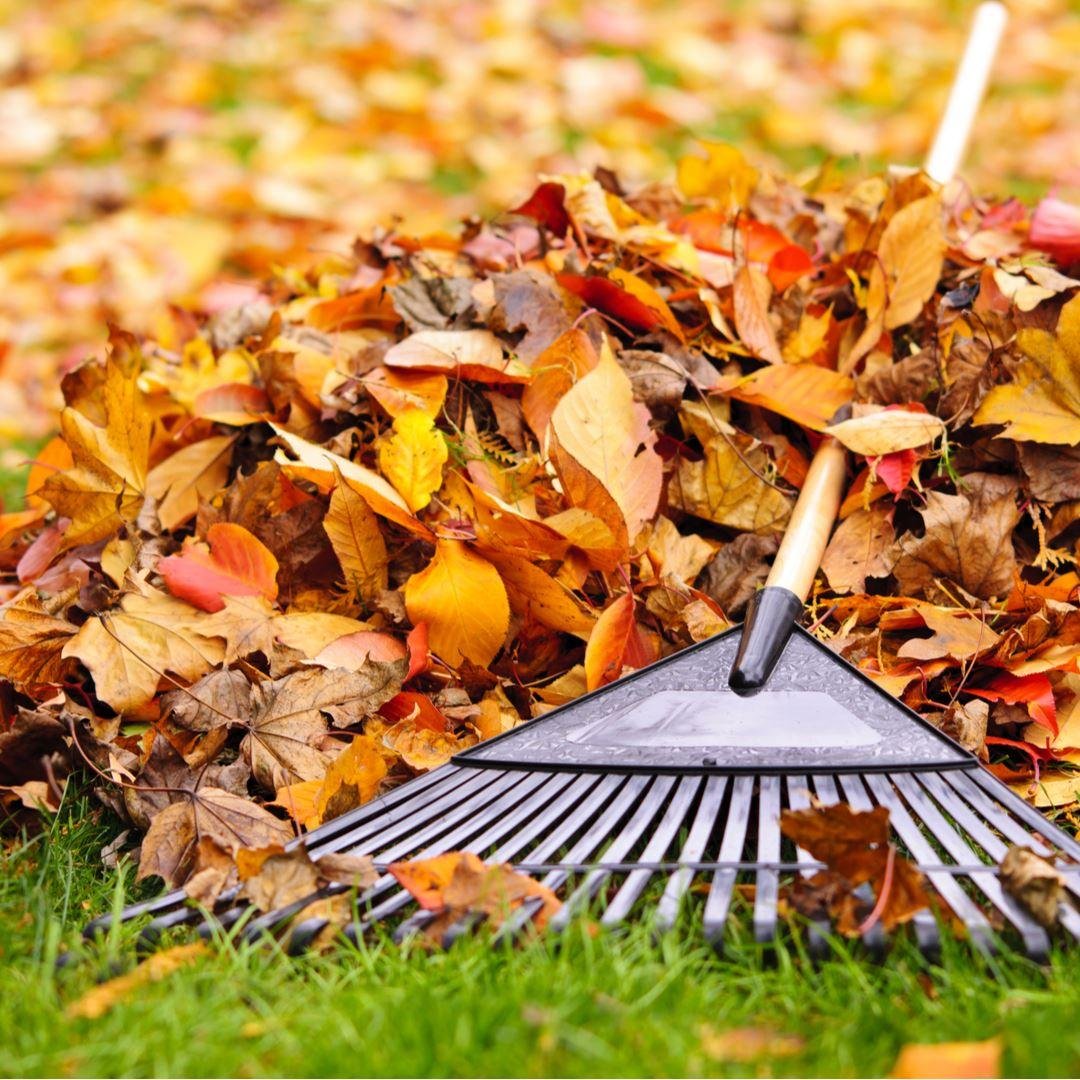
Fall is the perfect time to give back to the planet, especially when it comes to composting. The beautiful red, orange, and auburn leaves gently falling from the trees offer a wealth of benefits. They serve as natural decorations and rich composting material.
Why Compost Fall Leaves?
Leaves are rich in trace minerals and nutrients that help replenish the soil. Depending on their color and type, leaves bring natural herbicidal properties and provide key nutrients like calcium and nitrogen.
For example, green leaves restore nitrogen, while brown and orange leaves are rich in carbon. Together, they create the perfect nutrient-dense mix for composting.
Step-by-Step Guide to Composting Fall Leaves
As fall settles in, your yard is filled with a bounty of leaves ready for composting. Here’s a simple, step-by-step guide to turn those fallen leaves into nutrient-rich compost for a healthier garden.
- Choose Your Leaves Carefully
Some leaves can be highly acidic and may take longer to break down. For optimal results, use leaves from trees such as maple, elm, ash, poplar, willow, and fruit trees. Avoid leaves from walnut trees as they contain juglone, a compound that inhibits plant growth.
- Shred the Leaves
Shredding leaves helps to speed up the decomposition process by allowing oxygen to flow between them. Use a leaf shredder, lawn mower, or even scissors if you're feeling crafty. The more finely shredded the leaves, the quicker they’ll break down.
- Add Nitrogen-Rich Materials
To balance the carbon-to-nitrogen ratio in your compost, add nitrogen-rich materials like green leaves, food scraps (e.g., used coffee grounds, vegetable peels), or manure.
A general rule is to mix one part green material for every five parts of leaves. This step fuels the beneficial microbes and bacteria responsible for breaking down the leaves.
- Pile and Water
Stack the leaves in a designated location in your yard. Aim for a pile that’s about two cubic yards in size. Water the pile to keep it moist, creating an ideal environment for the bacteria and microbes to thrive.
- Turn the Compost Regularly
Turning your compost adds oxygen and speeds up the decomposition process. Compost piles generally need 4-5 days to start breaking down.
However, once they begin, you can turn them every other day. With regular turning, your compost could be ready in as little as a month.
Why Composting is Important
Composting is nature’s way of recycling. Lawn waste, such as fallen leaves, mowed grass, and trimmed branches, can be used to create nutrient-rich compost right in your backyard.
This improves your garden's health and helps reduce your carbon footprint by diverting waste from landfills. Homemade compost is free of harmful pesticides, making it safer for children and pets.
Composting fall leaves is a simple, impactful way to contribute to a greener planet. By transforming yard waste into nutrient-rich soil, you're benefiting your garden and supporting waste management and sustainability efforts.
Are you ready to make a difference? Start your composting journey today and embrace sustainable practices for a cleaner, greener future.
Need help? Contact Zero Waste Solutions, Inc. to explore our Zero Waste Programs!
