
Quick Summary
Regulated medical waste management in Virginia requires careful attention to classification, segregation, packaging, storage, transportation, and treatment. Understanding state regulations helps healthcare facilities and other businesses protect public health while maintaining compliance. By following best practices and partnering with an experienced waste management provider, organizations can improve operational efficiency, support sustainability goals, and safely manage regulated medical waste throughout its entire lifecycle.
Managing Virginia regulated medical waste is an important responsibility for healthcare facilities, laboratories, research organizations, and other businesses that generate potentially infectious materials. Proper handling protects employees, patients, waste handlers, and the surrounding community. It also helps organizations remain compliant with state regulations while supporting safer environmental practices.
Medical waste is not all treated the same. Some materials can enter the regular waste stream after meeting certain conditions, while others require specialized packaging, transportation, treatment, and disposal. Understanding these differences helps organizations avoid costly mistakes and maintain safe operations.
As a company specializing in commercial waste management, recycling, sustainability consulting, and facility support services, we work with organizations that need practical waste solutions designed around their operational needs. Understanding Virginia's medical waste regulations is an important part of building a responsible waste management program.
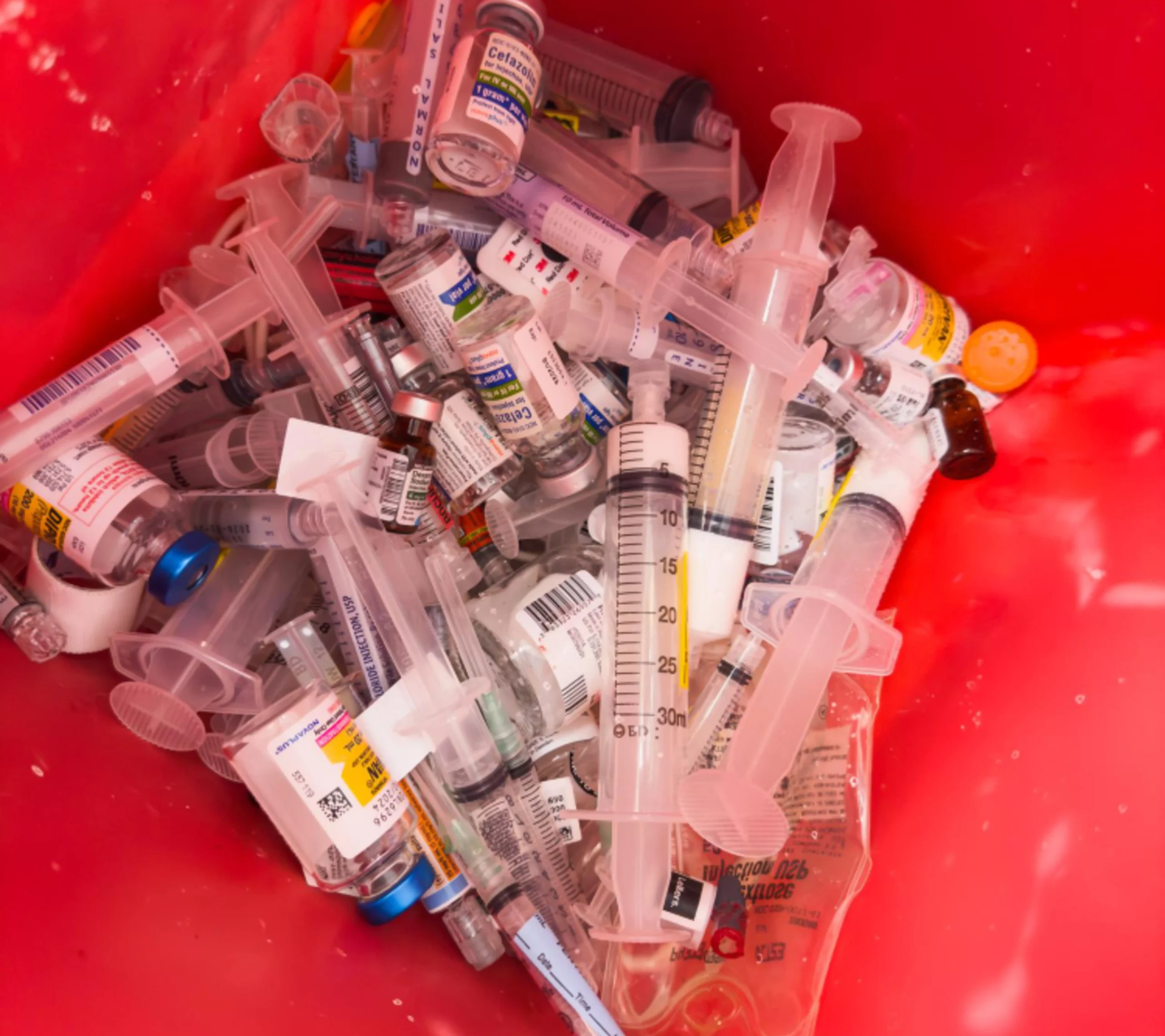
Understanding Regulated Medical Waste
Medical facilities generate many different types of waste each day. Most of it is not considered infectious. Office paper, food waste, packaging, and many disposable supplies may be managed as ordinary solid waste when they are not contaminated.
Regulated medical waste is different because it has the potential to expose people to infectious materials if it is handled improperly. Virginia regulations identify specific waste streams that require additional safeguards throughout collection, storage, transportation, treatment, and final disposal.
The goal is simple. Reduce the possibility of disease transmission while protecting workers, patients, waste transporters, and the public.
Healthcare organizations are not the only businesses affected. Veterinary clinics, dental offices, medical laboratories, blood banks, universities, pharmaceutical companies, and research facilities may also generate regulated medical waste during their daily operations.
What Materials Fall Into This Category?
Virginia regulations identify several categories of waste that require specialized management.
Items suspected by qualified healthcare professionals of containing infectious agents may qualify for regulated handling. Laboratory cultures containing infectious organisms also require specialized treatment before disposal.
Animal carcasses intentionally exposed to infectious diseases during research activities fall into this category. Cleanup materials used after spills involving infectious waste also require regulated handling because contamination may spread beyond the original source.
Waste contaminated with Category A infectious substances receives particularly strict oversight because of the serious health risks these materials may present.
Mixed waste also deserves attention. Once regulated medical waste is combined with other materials, the entire mixture may need to follow the same disposal requirements.
Understanding these classifications helps organizations make informed decisions before waste enters the disposal process.
What Does Not Qualify As Regulated Medical Waste?
Many businesses mistakenly assume every item used during patient care requires specialized disposal. That is not the case.
Many everyday healthcare materials do not meet Virginia's definition of regulated medical waste after they have been properly managed.
Household waste generally falls outside these regulations. Personal hygiene products without visible blood contamination usually do not require regulated disposal. Empty medical containers often qualify as regular solid waste after appropriate preparation.
Many medical devices and equipment also fall outside regulated waste requirements unless they contain infectious contamination.
Properly treated medical waste may also transition into ordinary solid waste after approved treatment methods eliminate infectious risks.
Correct classification helps organizations control disposal costs while remaining compliant with applicable regulations.
Why Proper Segregation Matters
Waste management begins where the waste is generated.
Separating waste correctly at the point of generation reduces unnecessary treatment costs and simplifies downstream handling. When non-infectious materials become mixed with regulated waste, organizations often face higher disposal expenses because the entire container may require specialized treatment.
Good segregation also protects employees who handle waste throughout the facility. Maintenance personnel, custodial teams, transport staff, and treatment operators all benefit when waste is clearly identified and packaged appropriately.
Staff education plays an important role. Employees who understand waste categories are more likely to dispose of materials correctly and reduce accidental exposure risks.
Clear internal procedures also improve operational consistency across departments.
Packaging And Labeling Requirements
Packaging regulated waste involves much more than placing materials into a container.
Containers must prevent leaks, resist punctures when necessary, and remain securely closed during storage and transportation. Sharps require rigid containers designed to reduce accidental injuries.
Proper labeling helps everyone handling the waste understand its contents and follow appropriate safety procedures. Labels also support traceability throughout transportation and disposal.
Organizations should inspect containers regularly for damage before transport begins. Damaged packaging increases exposure risks and may create compliance issues.
Developing standardized packaging procedures across all departments creates a more reliable waste management process.
Safe Storage Practices
Storage is another important part of medical waste management.
Waste should remain in designated storage areas that limit unauthorized access while protecting employees and visitors from accidental exposure.
Storage areas should remain clean, organized, and suitable for the types of waste being stored. Containers should remain closed except when additional waste is being added.
Facilities also benefit from scheduling regular waste pickups that prevent unnecessary accumulation.
Internal inspections help identify damaged containers, labeling issues, or storage concerns before they become larger operational problems.
Good storage practices create a safer workplace while supporting regulatory compliance.
Transportation Requirements In Virginia
Transportation represents one of the most heavily regulated stages of the disposal process.
Organizations transporting medical waste must follow state requirements governing packaging, labeling, documentation, and vehicle operation.
Waste must travel only to approved treatment or disposal facilities authorized to receive regulated materials.
Vehicles used for transportation require proper sanitation procedures to reduce contamination risks between shipments.
Virginia regulations also address situations where waste remains inside transportation vehicles for extended periods. Under certain circumstances, those vehicles may be regulated as transfer stations if storage exceeds allowable limits.
Maintaining complete transportation records supports accountability throughout the disposal process.
Treatment Before Final Disposal
Most regulated medical waste cannot be placed directly into a landfill.
Instead, it undergoes approved treatment methods designed to eliminate infectious hazards before final disposal.
Treatment technologies vary depending on the type of waste generated. The objective remains consistent across all approved methods. The infectious risk must be removed before the waste enters the general solid waste stream.
After successful treatment, many materials may legally transition into ordinary solid waste under applicable regulations.
Facilities should work with qualified waste management professionals who understand treatment requirements and documentation expectations.
Common Challenges Organizations Face
Managing medical waste becomes more complex as healthcare operations grow.
Large facilities often generate multiple waste streams across different departments. Each department may have unique disposal requirements, making consistency difficult without standardized procedures.
Employee turnover also presents challenges. New staff members need ongoing education regarding waste segregation, packaging, labeling, and reporting requirements.
Changing regulations require organizations to review internal policies periodically. Outdated procedures may create compliance gaps that increase operational risks.
Scheduling waste collection also affects efficiency. Delayed pickups may create storage concerns, while overly frequent pickups increase operating expenses.
Businesses that evaluate their waste management programs regularly often identify opportunities to improve efficiency while maintaining compliance.
Building A Sustainable Medical Waste Program
Environmental responsibility and regulatory compliance can work together.
Organizations increasingly evaluate waste reduction opportunities alongside disposal requirements. Better purchasing decisions, improved inventory management, and stronger waste segregation practices reduce unnecessary waste generation before disposal becomes necessary.
Recycling opportunities may also exist for materials that never enter the regulated medical waste stream.
Waste audits help organizations understand current disposal practices and identify opportunities for operational improvements.
Technology also plays a growing role. Digital reporting, route optimization, and data analysis allow businesses to monitor waste volumes and identify long-term trends.
A well-designed waste program supports public health while improving operational performance.
How We Support Organizations Across Virginia
At Zero Waste Solutions, Inc., we understand that waste management extends beyond collection. Every organization has unique operational needs, industry requirements, and sustainability goals.
Our services include commercial waste management, recycling programs, regulated waste management, waste audits, sustainability consulting, roll-off dumpster rentals, and facility support solutions. We also help businesses evaluate opportunities to improve efficiency through customized waste management strategies designed around their operations.
Our experience serving government agencies, commercial organizations, industrial facilities, and private businesses allows us to develop practical solutions that align with both operational objectives and environmental responsibilities.
Managing regulated medical waste involves much more than disposing of contaminated materials. Every stage matters, from identifying waste correctly to packaging, storage, transportation, treatment, and documentation. Organizations that understand Virginia's regulations can reduce risk, improve workplace safety, and support responsible environmental practices.
If your organization is reviewing its waste management strategy or looking for a more customized approach, our team at Zero Waste Solutions, Inc. is ready to discuss solutions that fit your operations. We believe effective waste management starts with understanding your goals and building a program that supports compliance, efficiency, and long-term sustainability.
FAQs
What is considered regulated medical waste in Virginia?
Regulated medical waste includes materials that may contain infectious agents capable of causing disease. Examples include certain laboratory cultures, contaminated sharps, animal carcasses used in infectious disease research, and cleanup materials from regulated medical waste spills.
Who must comply with Virginia's regulated medical waste regulations?
Healthcare facilities, dental offices, veterinary clinics, medical laboratories, research institutions, blood banks, and other organizations that generate regulated medical waste must follow Virginia's handling, transportation, treatment, and disposal requirements.
Why is proper segregation of regulated medical waste important?
Proper segregation helps reduce disposal costs, protects employees from unnecessary exposure, and supports compliance with Virginia regulations. It also prevents non-infectious waste from being treated as regulated medical waste, which can increase operational expenses.
