
Your Complete Guide To Renting A Dumpster
Large projects often create more debris than standard trash service can handle. Many property managers and contractors rent a dumpster to keep work areas organized and safe. A temporary container helps control clutter, reduce hazards, and keep projects moving on schedule.
Understanding the process before delivery day makes everything smoother. Good planning supports site safety, keeps teams productive, and helps you stay aligned with local rules.
When a Temporary Container Makes Sense
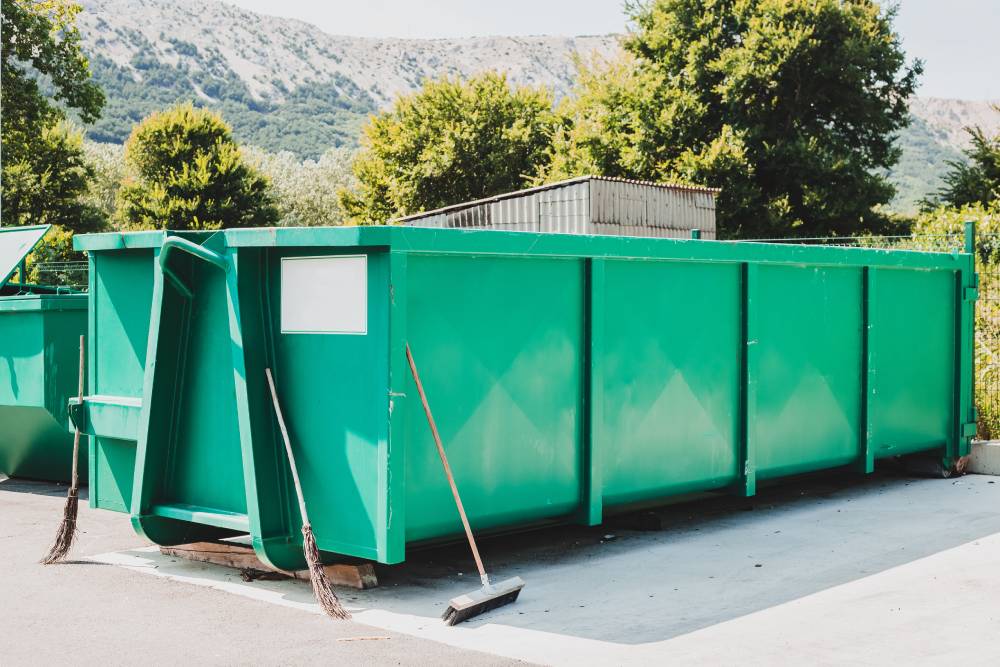
Temporary waste containers are important for commercial clients managing construction sites, office building renovations, or large-scale facility cleanouts. Jobs like building move-outs, major construction projects, or office building upgrades generate significant debris that standard trash services can't manage effectively.
A single, dedicated container gives crews a central drop point for waste. This keeps walkways clear and makes it easier to manage material flow on busy job sites.
Picking the Right Size for the Job
Container size depends on both volume and material type. Smaller sizes work for light debris from office upgrades or small remodeling jobs. Larger sizes fit construction work, demolition, and major facility improvements.
Weight is just as important as space. Dense materials like concrete or roofing shingles add up quickly. Lighter items such as wood or packaging take up more room but weigh less. Talking through your project details helps match the container to the load.
Getting Your Site Ready for Delivery
A smooth delivery starts with proper placement. Choose a flat, stable surface with clear access for the truck. Placing the container near the work zone saves time and reduces extra handling.
Some areas require permits, especially if the container will sit on a public street. Checking local requirements early helps avoid delays once the project begins.
Knowing What Can Go Inside
Most construction debris, old fixtures, furniture, and non-hazardous materials are allowed. Certain items need special handling and should stay out of the container. These often include chemicals, tires, batteries, and electronics.
Clear communication about your waste stream helps avoid contamination and extra fees. Proper separation also supports responsible processing after pickup.
Planning Pickup and Project Timing
Once the container is full, pickup can be arranged. Scheduling removal at the right time keeps your site clean and frees up space for the next phase of work. Longer projects may benefit from swap-out service to maintain steady progress.
Good coordination between project leads and service providers reduces downtime. This keeps operations moving without unnecessary disruptions.
Supporting Sustainability Through Better Waste Practices
Thoughtful waste planning does more than remove debris. Tracking materials and separating recyclables can improve environmental performance. Many organizations also gain better insight into waste generation patterns over time.
Smarter handling can lower disposal costs and support reporting goals. These steps also help align facility operations with broader sustainability targets.
Build a Waste Plan That Works for Your Operations
Every project leaves behind materials that need careful handling. The right planning approach can improve safety, control costs, and reduce environmental impact.
At Zero Waste Solutions, Inc., we work with businesses and municipalities to design practical waste programs that fit daily operations. Our team helps manage material streams, support compliance, and move organizations closer to long-term sustainability goals.
