
Quick Summary
Choosing the right waste management method starts with understanding your waste stream, facility type, volume, compliance needs, and sustainability goals. Routine collection, recycling, composting, regulated waste handling, roll-off dumpsters, audits, and long-term planning each serve different operational needs. A stronger strategy may combine several methods, especially when your organization wants cleaner workflows, better cost control, reduced confusion, and more responsible waste handling.
Waste management decisions can affect your operating costs, facility cleanliness, compliance responsibilities, and sustainability progress. So, which method actually fits your needs? The answer depends on what you throw away, how much waste your site produces, where it comes from, and what must happen to it after collection.
Understanding the types of waste management can help you make a smarter choice instead of relying on a one-size plan. Some facilities need routine collection and disposal. Others need recycling, composting, regulated waste handling, roll-off containers, audits, or a broader sustainability strategy.
Let’s look at how each method works and where it may fit within your organization.
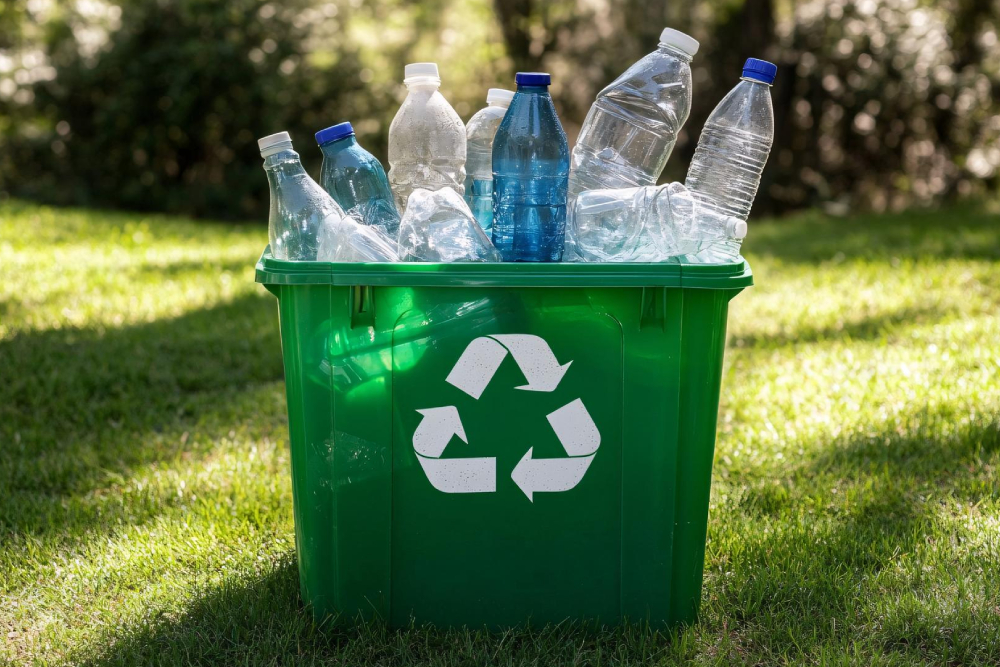
What Are the Main Types of Waste Management?
Waste management covers every step used to reduce, separate, collect, process, recover, treat, or dispose of unwanted materials. For a business, school, municipality, or facility, it can include far more than placing trash in a container.
A practical program may address daily waste, recyclable materials, organic waste, bulky debris, regulated materials, and long-range reduction goals. Most methods fall into a few broad purposes. One approach prevents waste before it is created, while another recovers useful materials through recycling or composting. Waste that cannot be recovered still needs collection, treatment, or proper disposal.
Different facilities often need very different combinations of services. A small office may depend on routine pickup and basic recycling, while a restaurant may need organics collection and stronger sorting guidance.
A construction site may need roll-off containers for heavy debris, and a government or transportation-related facility may need specialized handling for regulated materials. Larger organizations may also need audits, reporting, training, and sustainability planning to keep the program organized.
Clear roles, well-marked containers, and consistent service schedules make it easier to match the right solution to your operation without wasting budget, time, or labor across your site.
Source Reduction and Reuse
A smarter waste strategy often starts before anything reaches a bin. Source reduction limits the materials your organization brings in, uses, or discards through smarter purchasing, reduced packaging, digital records, refillable supplies, reusable service items, and longer-lasting equipment. These choices can lower hauling needs and reduce waste volume.
Reuse keeps useful items in circulation longer. Office furniture, pallets, containers, fixtures, electronics, and surplus supplies may still hold value after their first use. Some organizations use reuse areas, repair programs, donation channels, or material exchange systems to reduce replacement costs and support sustainability goals.
This approach works well when waste is tied to purchasing habits, packaging, disposable supplies, or frequent equipment turnover. Although it may not replace collection, recycling, composting, or disposal services, it can reduce demand for them.
In larger facilities, source reduction and reuse work best when staff understand the process and managers track purchased, stored, discarded, and reused materials. A clear plan can turn daily decisions into measurable waste reduction across departments over time.
Waste Collection and Disposal
Daily operations still create waste that requires proper handling after reduction and reuse efforts are in place. Collection and disposal cover the pickup, transportation, and final handling of general waste that cannot be moved through recycling, composting, or special processing. For offices, schools, warehouses, commercial properties, and public facilities, this supports cleanliness, odor control, safety, and a more organized environment.
Reliable service schedules matter because unmanaged waste can disrupt staff, tenants, customers, and nearby communities. Overflowing containers may create sanitation concerns, attract pests, block work areas, or make a property appear neglected.
Proper disposal also keeps nonrecoverable materials moving through the correct channels, reducing confusion for teams that handle waste throughout the day. Container size, pickup frequency, access points, and service timing should match actual facility operations.
This method often serves as the foundation of a broader waste program, but it works best alongside better sorting and recovery systems. General trash should not become the default destination for recyclable, compostable, regulated, or project-based materials. A strong setup gives each waste stream a clear destination, helping reduce unnecessary landfill volume while keeping disposal available for true residual waste.
Recycling
Recoverable materials can lose value when they are mixed with general trash. A recycling program separates items such as cardboard, paper, plastics, metals, glass, and selected specialty materials, so they can move into a recovery stream instead of disposal.
This works well for offices, schools, warehouses, retail locations, municipalities, and commercial properties that generate steady amounts of packaging, containers, or paper waste.
Program design affects results. Single-stream recycling places accepted materials in one container, making participation easier for staff and visitors. Multi-stream recycling separates materials into different containers, which can improve recovery quality when followed correctly. Both systems need clear signage, practical bin placement, and service schedules that match material volume.
Contamination remains one of the biggest challenges. Food residue, liquids, plastic bags, and mixed trash can lower material quality and create processing issues. Stronger programs use simple instructions and place containers where waste is actually generated, such as break rooms, loading docks, classrooms, offices, and public areas.
Regular review also matters because material volumes and user habits change over time. Tracking what enters each container can improve sorting, reduce disposal costs, and support long-term sustainability goals.
Composting and Organic Waste Management
Food scraps, yard trimmings, and landscape debris can make up a large portion of a facility’s waste stream. Composting separates these organic materials so they can move through a more suitable recovery process instead of general disposal. This method works well for restaurants, schools, hotels, grocery stores, event venues, municipalities, and landscaping teams.
A successful program depends on the right containers, clear instructions, and pickup schedules that match how organic waste is produced. Kitchen areas may need small indoor bins that move into larger outdoor containers, while landscaping crews may need collection plans for leaves, grass clippings, and branches. Public spaces also benefit from simple signage that helps people sort materials correctly.
Sorting quality is important because contamination from plastics, glass, liquids, or nonaccepted items can disrupt processing. Staff training, consistent bin placement, and regular program reviews help keep organic waste separate from trash and recyclables.
This method works best for facilities that generate regular amounts of food or yard waste. For high-volume sites, composting can reduce pressure on general waste containers, support landfill diversion goals, and create a more complete waste management system.
Regulated and Special Waste Management
Some waste streams require more control than a standard trash container can offer. Regulated and special waste management covers materials that may involve safety rules, transportation requirements, documentation, or approved disposal procedures.
Depending on the facility, this can include materials that must be separated, labeled, stored, transported, and processed under specific guidelines. International waste materials are one example where careful handling matters.
Clear procedures are important for government sites, transportation facilities, ports, laboratories, medical adjacent operations, public agencies, and organizations with compliance-driven waste streams. The correct process depends on the material, its source, and the rules tied to its movement or disposal. Poor handling can create safety risks, operational delays, and higher costs.
Planning helps teams identify materials that need special handling before they enter the wrong waste stream. It also helps staff understand storage limits, pickup procedures, recordkeeping needs, and the difference between ordinary and regulated waste.
This method works best for organizations that need more than routine disposal because their waste carries added responsibility. A strong process can support compliance, reduce risk, and keep sensitive materials moving through the proper disposal channel.
Roll-Off Dumpsters and Project-Based Waste
Large projects can create more debris than standard containers can handle. Roll-off dumpsters give sites a temporary solution for construction, renovation, demolition, roofing, landscaping, cleanouts, or facility upgrades. They help keep debris contained instead of scattered across work areas, parking lots, or access points.
The right setup depends on material type, waste volume, site access, container placement, pickup timing, and disposal needs. Heavy debris may require a different plan than furniture, wood, drywall, soil, or mixed cleanup waste. Some projects need one container, while longer jobs may require scheduled swaps.
This method works best for temporary, bulky, or high-volume waste tied to a specific project timeline. It supports safer work sites, reduces pressure on daily waste containers, and gives crews a clear location for debris. A well-planned roll-off setup can improve workflow and keep projects cleaner from start to finish.
Waste Audits and Sustainability Planning
Better decisions start with better information. A waste audit reviews what your facility throws away, recycles, composts, or sends into other waste streams. It can show how much waste is generated, where it comes from, and where avoidable disposal costs exist. For businesses, schools, municipalities, and public facilities, audits turn guesswork into a more practical waste management plan.
A site may seem to need larger containers or more pickups, but the real issue could be poor sorting, recycling contamination, missed composting opportunities, or confusing bin placement. Audits can identify patterns across departments, buildings, or service areas and help organizations choose solutions based on actual material flow.
Long-term planning builds on these findings. Once teams understand the waste stream, it becomes easier to improve landfill diversion, reduce costs, adjust service schedules, improve recycling or composting systems, and support cleaner daily operations. This method works especially well for organizations with multiple sites, complex operations, or long-term sustainability goals.
How to Choose the Best Waste Management Method
A good decision starts with the materials your site actually produces. Look at what enters each container during normal operations, peak periods, special projects, and seasonal changes.
General trash, cardboard, food scraps, yard debris, bulky items, and regulated materials may each need a different path. Volume matters too because a small office and a busy campus can have very different service needs. Service timing, container access, and staff habits can also affect the final choice.
Your facility type also shapes the right approach. A restaurant may benefit from composting and frequent collection, while a warehouse may need stronger cardboard recovery. A construction site may need roll-off containers, and a government facility may need tighter procedures for special waste.
Before choosing a method, compare your operational needs with the way people actually use the space each day. A method that looks good on paper can fail when bins are hard to reach, signs are unclear, or pickup frequency does not match the real pace of waste generation.
- Waste type: Identify general trash, recyclables, organics, regulated materials, construction debris, or mixed waste.
- Waste volume: Review daily, weekly, seasonal, temporary, and project-based waste levels.
- Facility type: Consider offices, schools, municipalities, commercial properties, warehouses, construction sites, and government facilities.
- Compliance needs: Check for special handling, documentation, transportation, storage, or disposal requirements.
- Sustainability goals: Define targets for recycling, composting, landfill diversion, reporting, or zero waste planning.
- Operational setup: Review container space, staff participation, service frequency, site access, and internal workflows.
- Budget and efficiency: Compare hauling costs, contamination costs, labor time, container needs, and long-term program value.
After reviewing these factors, the best answer may be a combined program rather than a single method. Your site might need collection and disposal for residual waste, recycling for recoverable materials, composting for organics, roll-off dumpsters for projects, and audits for ongoing improvement.
Regulated waste may need a separate process with specific procedures. A practical choice should make daily work easier, reduce confusion, and support your larger environmental and operational goals.
It should also be simple enough for staff, tenants, visitors, vendors, and service crews to follow consistently, because participation affects results as much as the method itself. Reviewing the program after launch also helps you adjust containers, schedules, training, and reporting when waste patterns change or new needs appear without slowing daily operations or safety routines.
Make Every Waste Decision Work Harder
The right waste management method should make your operation cleaner, safer, and easier to manage. A strong choice starts with understanding the materials your site produces, the volume you handle, and the rules or goals that shape your daily process.
Once those details are clear, waste management becomes more than a routine service. It becomes a structured part of cost control, facility performance, and environmental responsibility. A thoughtful plan can reduce confusion, improve participation, and give every waste stream a clearer purpose.
At Zero Waste Solutions, we help organizations build practical waste strategies that match their sites, schedules, and service needs. Our team supports waste collection and disposal, recycling programs, composting programs, regulated waste management, roll-off dumpster rentals, waste audits, sustainability consulting, tailored project management, help desk support, and facility support services.
We bring experience with government, state, local, commercial, and private sector partners, so our approach stays organized, responsive, and built around real operational demands. Our work also helps your team connect waste planning with building efficiency, maintenance needs, customer requests, and long range sustainability targets.
Contact us today to discuss your waste management needs. We are ready to help you choose a smarter path forward with a plan your site can use with confidence every single day.
FAQs
What are the most common types of waste management?
Common waste management methods include source reduction, reuse, waste collection, disposal, recycling, composting, regulated waste handling, roll-off dumpster use, waste audits, and sustainability planning. Each method addresses a different operational need and works best under specific conditions.
Some focus on reducing waste before it is created, while others improve how materials are sorted, recovered, transported, or disposed of after use. The right approach depends on your waste type, facility size, daily waste volume, industry requirements, compliance obligations, available space, and long-term environmental goals.
Many organizations use a combination of methods to create a more organized and efficient waste management system.
How do I know which waste management method my facility needs?
Start by reviewing what your facility throws away, how often waste builds up, where materials are generated, and which items could be recovered or require special handling. General trash may only need routine collection and disposal, while food waste may benefit from composting and cardboard may require dedicated recycling containers.
Construction projects or large cleanouts may need roll-off dumpsters for temporary debris control. Facilities with regulated materials, high waste volume, multiple departments, or changing operations may also benefit from waste audits and long-term planning.
Why are waste audits helpful before choosing a waste management plan?
A waste audit helps your organization understand what is actually happening inside the waste stream instead of relying on assumptions. It can reveal excess trash volume, recycling contamination, missed composting opportunities, poor container placement, or materials being sorted incorrectly.
Audits also show how waste patterns differ across departments, buildings, shifts, or service areas. These findings help organizations choose waste management methods based on real material flow, operational habits, and recovery opportunities.
A stronger understanding of the waste stream can improve efficiency, reduce disposal costs, support sustainability goals, and create a more accurate long-term waste management strategy.
