
Quick Summary
Commercial dumpster sizes generally fall into two categories: front-load dumpsters for recurring waste collection and roll-off dumpsters for temporary projects. Front-load containers work well for routine trash, recycling, and packaging waste, while roll-off containers are better suited for cleanouts, renovations, construction debris, and bulky materials. The right choice depends on waste type, volume, pickup frequency, available space, access, weight limits, and sorting requirements.
What size dumpster does your business actually need? Across the United States, commercial dumpster sizes usually fall into two main types: standard front-load dumpsters and roll-off dumpsters, and each type comes in different sizes.
Comparing container capacity, site space, pickup needs, and waste volume can help you narrow down the right fit.
Here is how your business can compare options more easily and choose a dumpster that keeps trash, recycling, debris, or project waste organized with fewer service issues.
Standard Commercial Front-Load Dumpster Sizes
Front-load containers are designed for routine waste collection, so they work well for sites that generate trash, recycling, or packaging waste on a steady schedule. They are usually placed in accessible service areas where collection trucks can reach them safely, such as behind a building, near a loading area, or inside a designated waste enclosure.
Since these containers support recurring pickup, the right size depends on how much waste your site produces between scheduled collections.
Common sizes include:
-
- 1-yard dumpster: This small container can work for very small offices, compact retail spaces, or sites with limited trash output.
-
- 2-yard dumpster: This size suits small shops, offices, and light restaurant waste where pickup happens on a regular schedule.
-
- 3-yard dumpster: This option gives slightly more capacity without taking up too much space, which can help tight commercial sites.
-
- 4-yard dumpster: This size often fits small to mid-sized businesses with steady waste from staff, customers, packaging, or daily operations.
-
- 6-yard dumpster: This container can support larger restaurants, schools, retail centers, and shared commercial properties.
-
- 8-yard dumpster: This size fits high-volume commercial locations that need dependable recurring pickup and more container space.
Roll-Off Dumpster Sizes
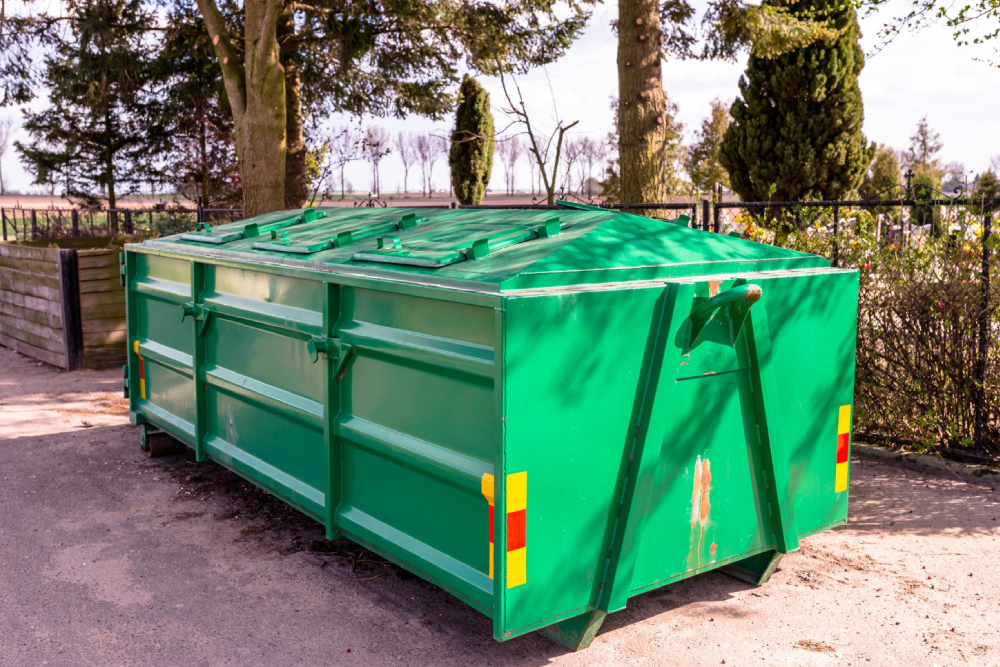
Roll-off containers are designed for project-based waste removal. They work best when a site needs temporary space for debris, bulky items, or heavier materials. These dumpsters are delivered by truck, placed in an accessible location, filled during the project, and hauled away once the rental period ends or the container reaches capacity.
Project waste can vary widely in weight, size, and material type, so the right container depends on the scope of the work and the debris being removed.
Common roll-off commercial dumpster sizes include:
-
- 10-yard dumpster: This size is a practical choice for small cleanouts, minor renovation work, or heavy materials in smaller amounts.
-
- 12-yard or 15-yard dumpster: These options can suit mid-sized cleanup projects that need more room than a 10-yard container.
-
- 20-yard dumpster: This size is often used for office cleanouts, remodeling work, roofing debris, and medium construction jobs.
-
- 30-yard dumpster: This container can handle larger renovations, commercial cleanouts, and higher debris volume from construction work.
-
- 40-yard dumpster: This large option is used for demolition work, warehouse cleanouts, major construction projects, and bulky waste.
How to Choose the Right Dumpster Size
Start by looking at the type of waste your site produces, since light office trash, cardboard, food waste, construction debris, and regulated materials may require different container plans. Volume also matters because a container that is too small can overflow, while an oversized container may waste space and budget.
Pickup frequency, available space, loading access, and weight limits should also guide the decision, especially for busy commercial sites or temporary projects.
Recycling, organics, and specialty waste needs may call for separate containers, so it helps to think about how materials should be sorted before choosing a size.
Plan Smarter Waste Management with Zero Waste Solutions
Picking the right dumpster size helps your business keep waste areas cleaner, reduce overflow, control service needs, and support better material separation. A good fit can also help you avoid paying for unused capacity or running out of room before pickup.
At Zero Waste Solutions, we help you match your site, waste volume, project type, and service schedule with the right container option. We can support your needs through roll-off dumpster rentals, waste collection and disposal, recycling services, composting programs, regulated waste management, waste audits, and sustainability consulting.
Contact us today to discuss the right dumpster solution for your site and build a cleaner, smarter waste management plan.
FAQs
What are the most common commercial dumpster sizes?
Commercial dumpsters commonly range from 1-yard to 8-yard front-load containers and 10-yard to 40-yard roll-off containers. Front-load dumpsters are usually used for recurring business waste, while roll-off dumpsters are better for temporary projects, cleanouts, renovations, construction debris, and bulky material removal.
How do I know which dumpster size my business needs?
Start by reviewing your waste type, waste volume, pickup frequency, available space, loading access, and weight limits. A small office may need a compact front-load dumpster, while a construction site may need a larger roll-off container. Recycling, organics, or regulated materials may also require separate containers.
What is the difference between a front-load dumpster and a roll-off dumpster?
A front-load dumpster is usually kept on-site for recurring trash or recycling pickup. A roll-off dumpster is delivered for temporary use and hauled away after the project or rental period. Front-load containers suit routine business waste, while roll-off containers suit construction, cleanouts, renovations, and larger debris loads.
