
Recycling is a key component of sustainable waste management. At Zero Waste Solutions, Inc., we offer solutions to help businesses and municipalities reduce waste. Our customized recycling programs divert recyclable materials from landfills and make the process easy for you.
If you are looking to improve your current recycling efforts or start fresh, we are here to help. Below are some common questions we get about our recycling programs, so we decided to answer them for you.
What a Waste Recycling Program Is
A waste recycling program is a systematic approach designed to divert recyclable materials from landfills and ensure their proper processing. It typically involves collecting, sorting, and recycling materials like paper, plastics, metals, and glass. By implementing a recycling program, businesses and organizations contribute to reducing environmental pollution and conserving natural resources. These programs can be customized to fit an organization's waste needs and sustainability goals. The program helps improve resource efficiency, supports the circular economy, and promotes responsible waste disposal practices. Overall, waste recycling programs aim to create a cleaner, more sustainable environment by reducing waste and reusing valuable materials.
Program Goals and Benefits
The main goal of a waste recycling program is to reduce the volume of waste sent to landfills and incinerators, maximizing the recovery of valuable materials. Key benefits include minimizing environmental impact, conserving natural resources, and reducing energy consumption. Recycling programs can also lower disposal costs by reducing the amount of waste that needs to be hauled to landfills. Another benefit is that it supports sustainability efforts, helping businesses achieve their environmental goals. Additionally, recycling can improve public perception of your organization, showing a commitment to environmental responsibility. Overall, the program fosters a more circular economy, where materials are reused rather than disposed of.
Materials Covered in the Program
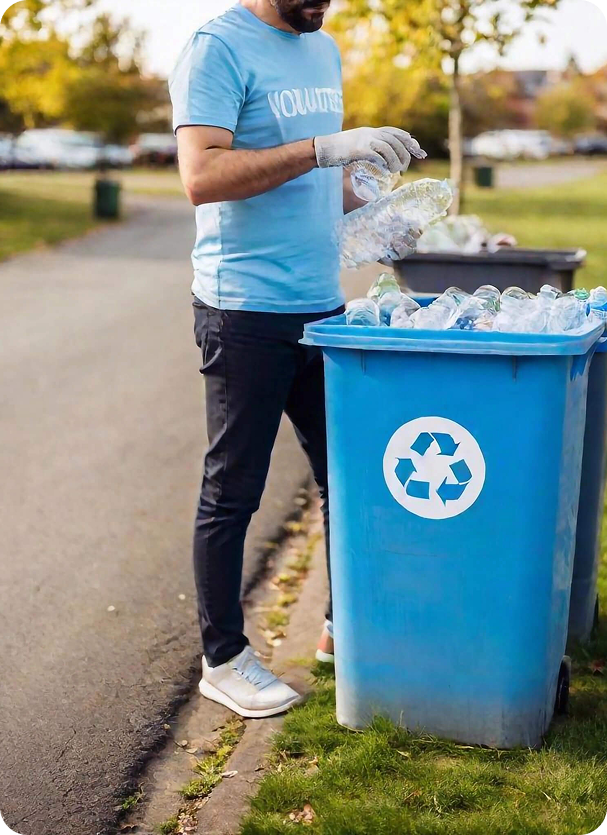
Waste recycling programs typically cover a broad range of materials, including paper, plastics, metals, glass, and cardboard. These are the most common recyclables that businesses generate. Specialized programs may also cover materials like electronics (e-waste), textiles, and certain plastics that are often excluded from traditional recycling. Food containers, beverage cans, office paper, and plastic bottles are commonly recycled in businesses. The inclusion of composting materials, like food scraps and yard waste, is also part of many comprehensive recycling programs. By covering these materials, the program ensures maximum resource recovery and supports businesses in achieving sustainability and waste diversion goals.
How the Recycling Program Works
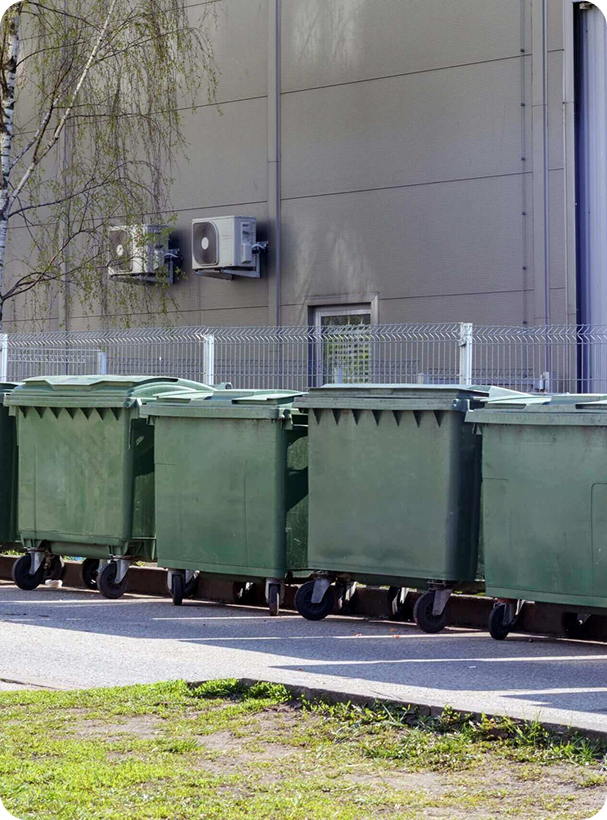
The recycling program works by first identifying the waste materials that can be recycled in your organization. After sorting the recyclables, we provide dedicated bins or containers for each material type. These bins are strategically placed in high-traffic areas for easy access. The collected materials are then picked up on a regular schedule for sorting, processing, and recycling at appropriate facilities. Our team ensures that all recyclables are properly handled, sorted, and sent to processing facilities to maximize their reuse. The process includes educating staff and providing resources for proper sorting and waste reduction, ensuring the program operates smoothly and efficiently.
Program Design and Customization
Each waste recycling program is tailored to meet the specific needs of an organization. The program design takes into account the types of waste generated, the volume of waste, and the goals of the organization. Our team will assess your current waste disposal practices and create a program that best fits your facility’s needs. This could include adjusting collection schedules, providing specialized bins, or integrating composting and other waste diversion methods. The program can be customized to fit small offices, large businesses, or industrial facilities, ensuring that it’s efficient, scalable, and effective in meeting sustainability goals.
Collection Options and Logistics
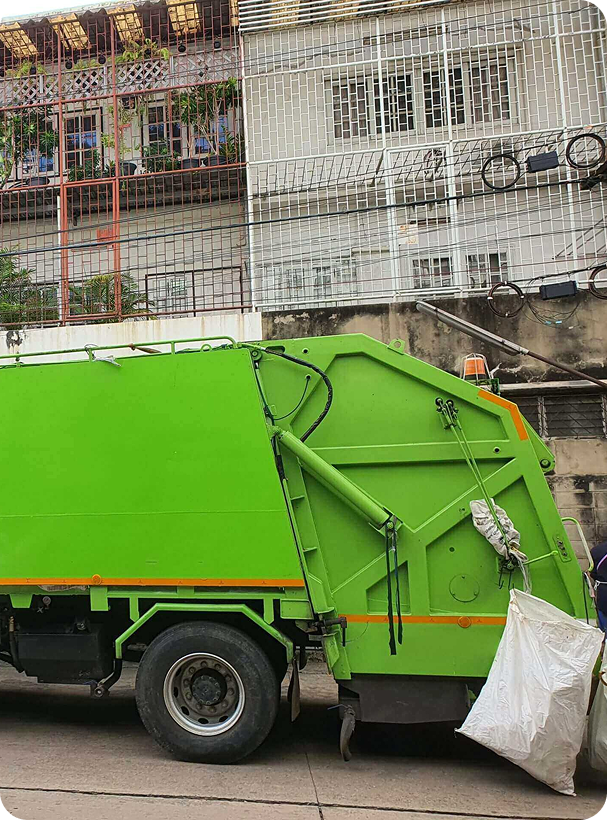
Our waste recycling programs offer flexible collection options to suit the unique needs of each organization. Whether you need daily, weekly, or bi-weekly pickups, we can schedule services to match your waste generation patterns. We also provide on-demand pickups for bulk waste or special occasions. Our logistics team ensures that your recycling bins are emptied and processed on time, maintaining smooth operations. By customizing collection schedules and optimizing waste collection routes, we minimize disruption to your operations while maximizing the efficiency of waste management. Our goal is to provide you with a hassle-free recycling solution that meets your business’s needs.
Tracking and Reporting Program Performance
Tracking and reporting are essential components of any waste recycling program. We provide regular reports that give you insights into the materials being diverted from landfills and the overall recycling performance. Key metrics tracked include diversion rates, total waste volume, and recycling efficiency.
These reports allow you to monitor progress toward your sustainability goals and make data-driven decisions to improve your program. We use advanced reporting tools that provide real-time data on waste management efforts, helping your organization stay on track and meet environmental objectives. This transparency ensures you understand the full impact of your recycling efforts.
Compliance and Regulatory Alignment
Our waste recycling programs are designed to ensure that businesses comply with local, state, and federal regulations regarding waste disposal and recycling. By adhering to industry standards and government requirements, the program helps businesses avoid potential fines and penalties. We stay up to date with the latest environmental regulations and ensure that all aspects of your recycling program align with the law. This compliance focus also extends to handling specialized waste materials, like hazardous waste or e-waste, ensuring that these items are disposed of properly and responsibly, following all legal requirements.
Tools and Resources for Participants
To support your recycling efforts, we provide a range of tools and resources, including recycling bins, posters, and training materials for staff. These resources help ensure that everyone in your organization is on board with the program and understands how to properly sort recyclables. We also offer training sessions for your employees, educating them on best practices for reducing waste and increasing recycling rates. With easy-to-use tools and clear guidelines, the program is designed to be as efficient and seamless as possible, enabling your team to participate and succeed in achieving your sustainability goals.
Contact Us
Get in touch with us today to learn more about how our operations and maintenance services can benefit your facility.
Frequently Asked Questions
Our waste recycling program is designed to capture the broadest practical range of recyclable materials generated by businesses and facilities. Standard categories include paper and cardboard, which cover office paper, newspapers, magazines, and corrugated cardboard boxes. Plastics include bottles, jugs, and containers, typically categorized by resin type. Metals include aluminum cans, steel food and beverage containers, and scrap metals generated by some commercial and industrial operations. Glass bottles and containers are accepted in programs where processing partnerships are in place for glass recovery. Electronics, including computers, monitors, phones, and other devices, are processed through e-waste channels. The specific accepted materials can vary based on your location and the processing facilities serving your area.
Customization starts with a site assessment that looks at what your facility actually generates, how much of it there is, where it's produced, and how your operations are structured. A busy restaurant generating high volumes of cardboard and glass daily needs a very different program than a government office building generating primarily mixed paper and plastic bottles. We account for your facility's physical layout in designing container placement, ensuring that collection points are accessible to the people generating the waste. Staffing support and training resources are calibrated to the complexity of your operation. The result is a program built around your actual facility, not a template that requires you to adapt your operations to fit someone else's model.
We offer flexible collection options ranging from daily service for high-volume facilities to weekly or biweekly pickup for smaller operations. Scheduled collection is the foundation of most programs, providing a predictable rhythm that allows your operations team to plan accordingly. For facilities that generate irregular volumes due to seasonal activity, event-driven peaks, or variable production schedules, we can add on-demand pickup capacity that sits alongside the regular schedule. Collection containers are matched to the volume and material type being captured, from small desktop bins for office paper to large outdoor containers for cardboard, plastics, or mixed recyclables.
Performance tracking is integral to how we manage recycling programs, not an optional add-on. We record the volume of recyclable material collected by material type on each service visit. That data feeds into periodic reports that show diversion rates, total volume recovered, contamination observations, and trends over time. For organizations with sustainability reporting obligations, we format data to align with the metrics required for ESG disclosures, certification programs, or regulatory submissions. For internal management purposes, reports can be broken down by department, floor, building, or facility to identify where the program is performing well and where staff education or infrastructure adjustments might improve results.
Every ton of recyclable material diverted from your general waste stream is a ton that doesn't generate landfill disposal fees. For organizations with significant volumes of cardboard, metals, or certain plastics, the difference between disposal cost and recycling cost can be substantial on a per-ton basis. Recycling some materials, particularly metals and certain grades of paper, may generate commodity revenue depending on market conditions. At a minimum, recycling reliably costs less per ton than landfill disposal for most common recyclable streams. As recycling rates improve over time, overall disposal tonnage drops, which can reduce the required size or frequency of your general waste service and lower those costs as well.
Our programs are designed from the start to align with applicable local, state, and federal requirements for waste management and recycling. This includes proper handling and processing of specialty materials such as electronics and certain plastics that have specific legal disposal requirements. We stay current with regulatory changes that could affect your program and notify you when adjustments are needed to maintain compliance. For organizations with formal sustainability commitments or targets established under ESG frameworks, voluntary certification programs, or contractual sustainability clauses, our reporting provides the documented performance data needed to demonstrate that commitments are being met. We also track diversion rates and material-specific recovery volumes against your stated goals.
Correct sorting behavior is what makes or breaks a recycling program at the ground level. Even the best-designed program produces poor results if the people sorting waste at the source aren't clear on what goes where. We provide designated containers labeled clearly by material type, placed at locations that make correct disposal the easy, default choice. Printed and digital materials explain accepted items in plain language without jargon. Posters placed near collection points serve as quick references for common sorting questions. For facilities where staff training is important, we offer education sessions that cover the basics of what's accepted, why contamination is a problem, and what happens to materials after they're collected.
A structured recycling program contributes to operational efficiency in ways that extend beyond waste management. When waste is sorted correctly at the source, collection runs more smoothly, processing facilities handle materials more efficiently, and the risk of costly contaminated loads is reduced. Cleaner, more organized waste streams mean less time spent managing problems created by improper disposal. Data from the program also supports broader operational improvement efforts: understanding what materials your facility generates in what volumes is useful information for procurement and process improvement decisions. Contact us today to find out how a well-run recycling program can become a quiet efficiency driver across your operations.
Get in Touch Today!
For more information about our Integrated Solid Waste Management services or to partner with us, contact our team today.
Contact Us NowContact Us Today
Discover the future of Integrated Solid Waste Management with Zero Waste Solutions. Learn more about how we can transform your waste management strategy and work together towards a more sustainable future.
"*" indicates required fields
