
Reliable Waste Management Solutions for Every Industry
Zero Waste Solutions, Inc. offers reliable waste collection and disposal services to businesses, municipalities, and government entities. We design tailored programs that help organizations manage waste efficiently, support sustainability goals, and maintain compliance with regulations. Our team brings over 23 years of waste management experience to create flexible service plans that lower costs and minimize environmental impact.
What Landfill Management Services Include
Managing a landfill is about much more than burying waste. It is a complex responsibility that balances daily operations, environmental protection, and future planning. With over 23 years of experience, our team provides a full-circle approach to ensure your facility is safe, compliant, and sustainable.
We work as your partner through every phase, from initial design and daily operations to eventual closure and long-term care. Our comprehensive services include:
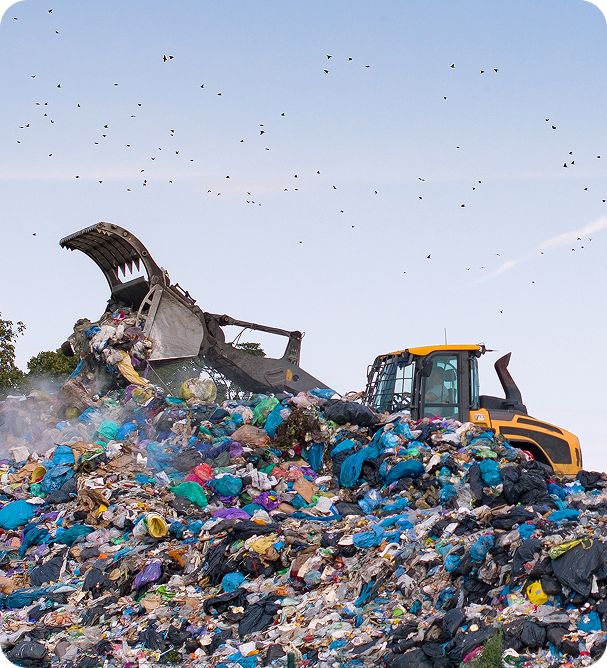
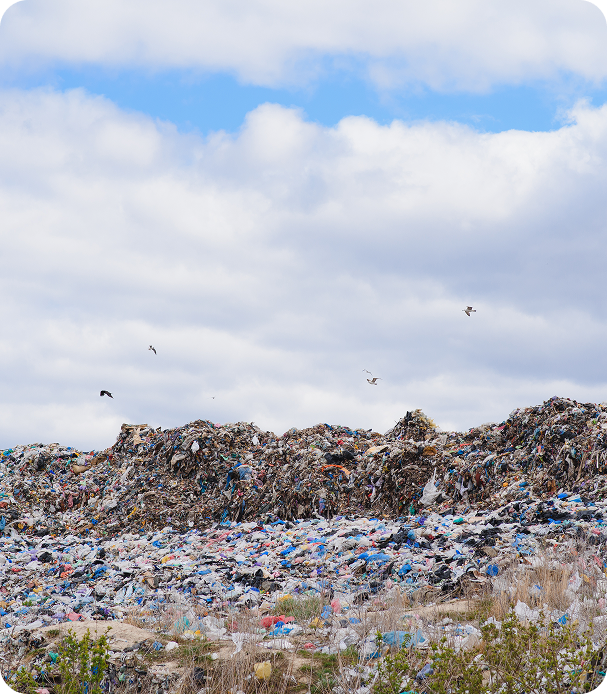
- Landfill Design & Engineering: Building a safe foundation.
- Daily Operations & Waste Handling: Ensuring efficient, day-to-day management.
- Environmental Protection & Monitoring: Safeguarding air, water, and soil.
- Landfill Gas Management: Capturing emissions for energy or safe disposal.
- Regulatory Support & Compliance: Navigating the rules so you don’t have to.
- Capping, Closure & Post-Closure Care: Planning for the landfill’s future with certainty.
- Sustainability & Resource Recovery: Finding ways to reduce waste and recover valuable materials.
We integrate innovative technology throughout our work to monitor performance and drive continuous improvement. Our ultimate goal is to provide effective waste solutions that protect the environment and your community for the long term.
Landfill Design and Engineering
A well-designed landfill is the cornerstone of safe and sustainable waste management. We do not just plan for today; we engineer for decades ahead. Our design team creates detailed layouts for waste cells, drainage, and robust lining systems that act as protective barriers, preventing contamination of surrounding soil and groundwater.
We also design integrated systems to manage byproducts, including solutions to capture landfill gas, which can often be converted into a valuable energy source, and to collect and treat leachate. By adhering to strict industry standards and regulations, we focus on minimizing environmental risks from the start, ensuring your facility is built to perform safely throughout its entire lifecycle.
Operations and Daily Waste Handling
The daily rhythm of a landfill is where safety and efficiency meet. Our operational team ensures incoming waste is promptly spread, densely compacted, and properly covered at the end of each day. This critical routine minimizes odors, deters pests, and controls emissions.
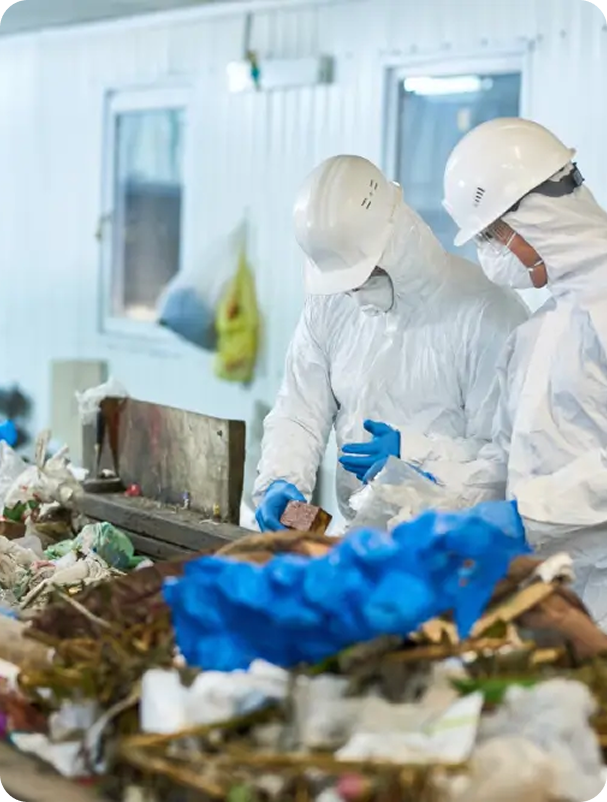
But our daily role goes deeper. We continuously monitor the site’s integrity and all its systems, maintain access roads, and enforce proper waste acceptance protocols to screen for any non-compliant or hazardous materials. This hands-on, diligent approach allows us to manage risks in real-time, support sustainability goals, and ensure that every load of waste is handled responsibly from the moment it arrives.
Environmental Protection Systems
Environmental protection systems are crucial components of modern landfill management. These systems are designed to prevent waste from contaminating the surrounding environment, including soil, air, and water. We utilize technologies such as liner systems, leachate collection, and gas recovery systems to minimize environmental impact. These measures ensure that landfill operations do not pose a threat to public health or the environment. Our team works with regulatory agencies to meet compliance standards and reduce the risk of contamination. By focusing on environmental protection, we help protect the ecosystem while also promoting responsible waste management practices that support long-term sustainability.
Landfill Gas Management and Use
Landfill gas management is a key component of landfill operations that focuses on capturing and utilizing the gases produced by decomposing waste. These gases primarily consist of methane, which can be harmful to the environment if left unchecked. We use a variety of methods to capture landfill gas, including gas collection systems, which channel the gas into a processing plant where it can be used for energy production. This process not only reduces greenhouse gas emissions but also generates renewable energy that can be used to power nearby facilities or be sold to the grid. Managing landfill gas safely is essential for compliance with environmental regulations and contributes to the sustainability of landfill operations.
Waste Acceptance and Material Types
Landfills are designed to accept specific types of waste, and we follow strict guidelines to ensure that only acceptable materials are deposited. These materials include municipal solid waste (MSW), construction debris, yard waste, and industrial waste that do not contain hazardous materials. We ensure that all incoming waste is checked for compliance with acceptance criteria, which helps minimize the risks associated with hazardous waste and contaminants. We also offer specialized waste streams for materials such as non-recyclable plastics, construction debris, and organic waste. Our waste acceptance policies are in place to protect both public health and the environment, ensuring that only safe materials enter the landfill.
Compliance, Reporting, and Regulatory Support
Compliance with local, state, and federal regulations is essential for successful landfill management. We offer regulatory support to ensure that all landfill activities adhere to environmental laws and guidelines. Our team stays updated on the latest legislation and ensures that all documentation, such as environmental reports, permits, and inspections, is maintained. We provide clients with regular reports on landfill performance, environmental impact, and compliance status. Our goal is to help clients meet their regulatory obligations while promoting sustainable waste management practices. By providing clear and accurate reporting, we ensure that landfills operate within legal boundaries and minimize environmental risks.


Closure, Capping, and Post-Closure Care
When a landfill reaches capacity, the closure process begins. This includes capping the site with a protective layer to prevent water infiltration, minimize gas emissions, and stabilize the area. The closure process also involves installing monitoring systems to track environmental conditions, such as groundwater quality and landfill gas levels. Post-closure care is an ongoing process, lasting for several years after a landfill is closed, to ensure that the site remains secure and environmental risks are minimized. Our team continues to monitor the site, maintaining the integrity of the cap, monitoring gas emissions, and conducting regular inspections to ensure compliance with all post-closure regulations.
Innovative Technologies and Monitoring Tools
Innovative technologies and monitoring tools play a vital role in ensuring landfill operations are efficient, safe, and environmentally responsible. We use state-of-the-art systems for gas collection, leachate management, and environmental monitoring, allowing for real-time data collection and analysis. These tools help us assess landfill performance, detect potential issues early, and make informed decisions about waste management. Our monitoring tools also support regulatory compliance by providing accurate data for reporting and inspections. We are committed to using the latest technologies to improve landfill performance, reduce environmental impact, and enhance the sustainability of waste management practices.
Sustainability and Resource Recovery Initiatives
Sustainability is a key focus of our landfill management services, and we actively implement resource recovery initiatives to minimize waste and promote recycling. We work to divert as much waste as possible from landfills by focusing on the recycling and repurposing of valuable materials. This includes the recovery of metals, plastics, and organic materials for reuse in new products or processes. Additionally, we capture landfill gas for use as renewable energy, reducing reliance on non-renewable resources. By adopting innovative approaches to waste diversion, recycling, and energy recovery, we aim to contribute to a circular economy and promote environmental sustainability in landfill management.
Benefits of Professional Landfill Management
Professional landfill management offers numerous benefits, including compliance with environmental regulations, improved operational efficiency, and enhanced sustainability. By using experienced professionals, landfills can minimize their environmental impact, reduce operational costs, and ensure compliance with federal and state regulations.
Additionally, professional management helps prevent contamination and promotes the proper handling of waste materials. With access to advanced technologies, monitoring systems, and expertise, landfills can optimize their operations to reduce waste, increase recycling efforts, and generate energy from landfill gas. This approach ensures the long-term viability of landfill sites while contributing to the overall health of the environment.
Contact Us
Get in touch with us today to learn more about how our operations and maintenance services can benefit your facility.
Frequently Asked Questions
Professional landfill management is a full-lifecycle responsibility that goes well beyond daily waste handling. It begins at the design and engineering phase, where site layout, liner systems, drainage, and gas collection infrastructure are planned to protect surrounding soil and groundwater for decades. From there, it moves into active operations, including incoming waste compaction, daily cover application, leachate collection, and continuous environmental monitoring. Regulatory compliance and reporting are managed throughout. As a landfill approaches capacity, closure planning and capping become the priority, followed by post-closure monitoring that can span many years. Our team handles every phase as an integrated program rather than a series of disconnected tasks.
A landfill that isn't actively managed creates serious environmental risks. Without proper liner systems, leachate containing dissolved contaminants can migrate into groundwater. Without gas collection, methane generated by decomposing organic waste vents directly into the atmosphere as a potent greenhouse gas. Without daily cover, blowing litter and odors affect surrounding communities. Our management approach addresses all of these risks systematically. We install and maintain liner systems and leachate collection networks, operate gas capture infrastructure, and conduct regular environmental monitoring to detect any issues early. Zero Waste Solutions treats environmental protection not as a compliance obligation but as the core purpose of responsible landfill operation.
Each of these byproducts requires its own engineered control system. Landfill gas, primarily methane, is captured through a network of extraction wells and collection pipes that draw gas from the waste mass to a processing point, where it can be flared or converted into energy. Leachate, the liquid that drains through the waste, is collected by a system of drainage layers and pipes beneath the waste cells and routed to an on-site or off-site treatment facility. Odors are controlled through regular application of daily cover material, which seals active waste faces at the end of each operating day.
Landfill compliance involves an ongoing set of obligations at the local, state, and federal levels, including permit conditions, environmental monitoring protocols, reporting deadlines, and inspection readiness. We stay current with the regulatory landscape and ensure that every aspect of site operation aligns with applicable requirements. This includes maintaining accurate operational records, conducting required groundwater and gas monitoring, preparing and submitting regulatory reports on schedule, and ensuring that the facility is ready for agency inspections at any time. Our team also supports clients through permit modifications and regulatory agency communications when operational changes arise.
Yes, our involvement can begin at the earliest planning stages. We provide engineering and design services for new landfill cells, expansion areas, and supporting infrastructure such as access roads, stormwater management systems, and liner installations. We also design integrated gas and leachate management systems from the ground up. For facilities nearing capacity, we develop closure plans that include final cover system design, cap installation sequencing, and post-closure monitoring well networks. Closure is not a single event but a structured process that has to be engineered carefully to ensure long-term site stability, continued environmental protection, and compliance with post-closure regulatory requirements.
Operational efficiency at a landfill comes from disciplined daily practices and good planning. Incoming waste should be spread in thin lifts and compacted thoroughly to maximize airspace utilization and slow the rate at which the site reaches capacity. Traffic management keeps collection vehicles moving without conflict or delay. Equipment scheduling ensures that the right machines are in the right place throughout the day. Safety protocols protect workers from vehicle hazards, unstable working faces, and equipment operation risks that are specific to landfill environments. We apply performance monitoring to track key metrics like compaction density and airspace consumption over time, so operational adjustments can be made with real data.
Professionally managed landfills produce fewer environmental violations, last longer due to better airspace utilization, and generate more recoverable resources through gas capture programs. Over the long term, organizations that invest in skilled management avoid the costly remediation projects that result from undetected leachate migration, unpermitted emissions, or premature site failures. Landfill gas-to-energy programs can generate revenue or offset energy costs, turning a byproduct into a productive resource. Our commitment to sustainability also includes diversion programs that reduce the volume of waste entering the landfill in the first place, which extends site life and reduces long-term disposal costs.
When a landfill cell or entire site reaches its permitted capacity, a formal closure process begins. The final cover system, typically a multi-layer cap, is installed over the waste mass to limit water infiltration and control gas emissions. Revegetation is established on the cap surface to protect against erosion. Monitoring systems for groundwater, surface water, and landfill gas are either installed or transitioned to post-closure protocols. Post-closure care then continues, often for a minimum of 30 years under federal regulations, during which the site must be regularly inspected, systems must be maintained, and monitoring data must be reported to regulators. Our team manages both phases, ensuring the site remains compliant and environmentally secure.
Get in Touch Today!
For more information about our Integrated Solid Waste Management services or to partner with us, contact our team today.
Contact Us NowContact Us Today
Discover the future of Integrated Solid Waste Management with Zero Waste Solutions. Learn more about how we can transform your waste management strategy and work together towards a more sustainable future.
"*" indicates required fields
