
Reliable Waste Management Solutions for Every Industry
Zero Waste Solutions, Inc. offers reliable waste collection and disposal services to businesses, municipalities, and government entities. We design tailored programs that help organizations manage waste efficiently, support sustainability goals, and maintain compliance with regulations. Our team brings over 23 years of waste management experience to create flexible service plans that lower costs and minimize environmental impact.
What is APHIS Regulated Garbage and Foreign Waste?
APHIS (Animal and Plant Health Inspection Service) regulated garbage refers to waste materials that are subject to strict disposal guidelines due to their potential risk of introducing harmful pests, diseases, or contaminants into the United States. You commonly see this type of regulated waste in settings tied to international travel and transport, such as international airlines, cruise ships, airports, seaports, and ports of entry.
This type of waste typically includes food waste, plant material, animal products, and other materials that could potentially carry pathogens. In practice, it often comes from aircraft and ship galleys, catering operations, passenger terminals, and international freight handling areas.
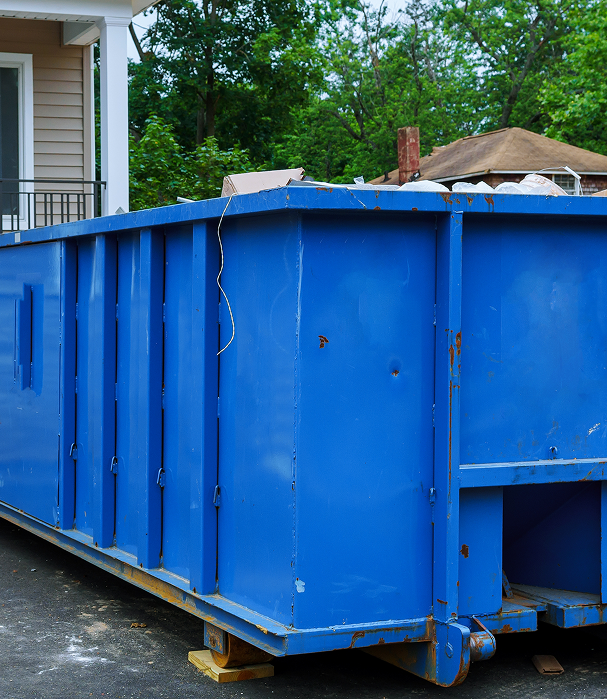
Why APHIS Waste Must Be Managed Safely
APHIS-regulated waste must be managed safely to prevent the introduction of invasive species, plant diseases, and other harmful biological agents that could disrupt local ecosystems and agriculture. These materials, when improperly handled, can pose significant risks to both human and animal health, as well as the environment. By following the correct protocols, we can ensure that potentially dangerous waste does not contaminate domestic ecosystems or food supplies. Strict regulations help mitigate the risk of outbreaks that could have far-reaching consequences for public health and the economy. Proper disposal also supports global efforts to reduce the spread of harmful organisms.
APHIS Compliance Agreement Requirements
To comply with APHIS regulations, organizations must enter into a compliance agreement to ensure that their waste disposal processes align with federal guidelines. These agreements outline the specific procedures and requirements for handling, storing, and disposing of regulated materials. Compliance includes maintaining proper documentation, using certified waste disposal methods, and ensuring that all employees involved in waste management are trained in the necessary protocols. APHIS compliance agreements are crucial for businesses, municipalities, and government entities to avoid penalties and maintain a high standard of safety and environmental stewardship when handling foreign waste.
Types of APHIS Waste We Handle
We handle a broad range of APHIS-regulated waste, including food waste, plant material, animal products, and soil that may be imported or come from international shipments. This waste could include fruit, vegetables, seeds, and agricultural waste that is subject to quarantine or regulation under APHIS guidelines.

Our services extend to handling potentially hazardous waste, such as products that contain animal or plant-based materials, that must be safely contained and disposed of in an environmentally responsible manner. We ensure that all waste we handle is disposed of in compliance with APHIS regulations, reducing risk and safeguarding agriculture and public health.
Our APHIS Waste Solutions Services
Our APHIS waste solutions services include the safe collection, transportation, and disposal of regulated materials in accordance with federal guidelines. We offer customized waste management programs for businesses, municipalities, and government agencies to ensure that APHIS waste is handled and processed according to the highest standards. From providing certified waste containers to organizing regular pickups and providing comprehensive documentation, we ensure that your waste disposal meets all compliance requirements. Our team is well-versed in APHIS regulations and will guide you through the necessary steps to ensure your waste management processes remain compliant and efficient.
APHIS-Approved Processing Methods
To ensure compliance with APHIS regulations, we use approved processing methods to handle and dispose of regulated waste. These methods include heat treatment, incineration, and disposal in designated landfills that meet APHIS-approved standards. We partner with certified disposal facilities that specialize in processing APHIS waste in a way that reduces environmental impact and prevents the spread of harmful organisms. All processing methods are designed to ensure that waste is safely neutralized before being released into the environment, preventing contamination and the spread of diseases or pests. This strict adherence to processing guidelines is essential for maintaining compliance.
Safety and Environmental Assurance
Safety and environmental assurance are central to our APHIS waste management services. We adhere to rigorous safety protocols to ensure that regulated waste is handled safely throughout the collection, transport, and disposal process. Our team is trained to manage potential risks associated with hazardous materials and foreign waste. We also use environmentally responsible disposal methods, such as recycling and waste-to-energy processes, to minimize landfill impact. Our approach ensures that all APHIS waste is handled in compliance with federal regulations, preventing the introduction of harmful contaminants into the environment. We also provide ongoing support to ensure that your operations remain compliant and safe
How Compliance Records and Documentation Work
Maintaining proper compliance records and documentation is a key component of managing APHIS-regulated waste. Our services include keeping thorough records of each collection, transportation, and disposal activity, ensuring that every step complies with APHIS guidelines. We provide our clients with detailed documentation that tracks waste from collection to final disposal, ensuring transparency and accountability. Our team is experienced in managing these records, making it easy for you to stay compliant and avoid potential penalties. Additionally, we offer assistance with preparing for APHIS inspections by ensuring that all necessary paperwork and documentation are up-to-date and accurate.
Contact Us
Get in touch with us today to learn more about how our operations and maintenance services can benefit your facility.
Frequently Asked Questions
APHIS stands for the Animal and Plant Health Inspection Service, a branch of the U.S. Department of Agriculture. APHIS-regulated garbage refers to waste materials that carry a potential risk of introducing harmful pests, plant diseases, or biological contaminants into the United States. This type of waste typically originates from international sources, including aircraft galleys and lavatories, cruise ships, airport and seaport terminals, international freight operations, and catering facilities serving international arrivals. Because of this international risk profile, APHIS-regulated waste is subject to strict federal handling, treatment, and disposal requirements that differ significantly from standard solid waste management.
The core concern with APHIS-regulated waste is biological risk. Materials that originate outside the United States may carry invasive pests, plant pathogens, or animal diseases that do not exist in domestic ecosystems. If improperly handled and those organisms are released, the consequences can include crop damage, livestock disease outbreaks, and disruption of native ecosystems, all of which carry significant economic and public health costs. APHIS regulations, therefore, require that regulated waste undergo approved treatment before it can be released into the domestic waste stream. This is why organizations that handle this type of material must follow specific protocols and maintain compliance agreements.
We handle a broad range of APHIS-regulated materials. This includes food waste from international flights, ships, and associated catering and passenger terminal operations. Plant material such as fruit, vegetables, seeds, and agricultural products subject to quarantine regulations is also within our scope. Animal products and by-products that may carry pathogen risk are handled with appropriate containment and treatment protocols. Soil that accompanies international shipments may also fall under APHIS jurisdiction depending on origin and composition. Essentially, any organic material arriving from or associated with international transport that could potentially introduce biological risks to U.S. agriculture, livestock, or ecosystems is material we're equipped to dispose of.
Compliance is built into every step of our APHIS waste management process. We operate under compliance agreements with APHIS that define the specific protocols for collection, containment, transport, treatment, and documentation. Our personnel are trained in the handling requirements for regulated materials so that procedures are followed consistently, not just during inspections. We use APHIS-approved treatment methods appropriate to the material type, whether that involves heat treatment, incineration, or disposal at approved facilities. Every step is documented so there's a complete, auditable record of how each load of regulated waste was handled from collection to final disposition.
Businesses that generate or handle APHIS-regulated waste, such as international airlines, seaports, cruise terminals, and related catering operations, are required to enter into a formal compliance agreement with APHIS. This agreement defines the specific procedures and standards the organization must follow for waste handling, storage, treatment, and disposal. Employees involved in managing regulated waste must be trained in the relevant protocols. Proper containers and storage practices must be in place to prevent accidental release of regulated materials before treatment. Detailed records of all waste management activities must be maintained and made available for APHIS inspection.
APHIS regulations specify that regulated waste must be treated using approved methods before it can be released into the standard waste disposal system. The primary approved methods include incineration, which fully destroys organic material and any associated biological risks; heat treatment, which uses controlled temperature and time parameters to neutralize pathogens; and disposal at designated facilities that meet APHIS-approved operational standards. The appropriate method depends on the specific waste type and regulatory requirements that apply to it. We work with certified disposal and treatment facilities that specialize in processing APHIS-regulated material and maintain the necessary approvals and documentation.
Yes, documentation is one of the most important components of APHIS waste management, and we handle it thoroughly. For every collection, transport, and disposal activity, we maintain detailed records that track the waste from the point of collection through to final treatment and disposal. This chain-of-custody documentation is essential for demonstrating compliance during APHIS inspections and audits. We provide our clients with the records they need to show their own compliance with their APHIS agreements, and we help prepare for inspections by making sure all required paperwork is accurate, current, and organized. If your operation is subject to APHIS oversight, having a waste management partner who treats documentation as a core deliverable is critical.
The link between APHIS waste management and public health is direct. Many of the diseases and pest species that regulatory agencies work hardest to keep out of the United States, such as foot-and-mouth disease, certain fruit flies, and various crop pathogens, have historically spread through improperly managed international waste. By ensuring that regulated materials are treated before they enter the domestic environment, our APHIS services serve as an important line of defense in that biosecurity effort. From an environmental perspective, preventing the introduction of invasive species protects native ecosystems that can take decades to recover from biological disruption.
Contact Us Today
Discover the future of Integrated Solid Waste Management with Zero Waste Solutions. Learn more about how we can transform your waste management strategy and work together towards a more sustainable future.
"*" indicates required fields
