
How It Works
Integrated Solid Waste Management (ISWM) is a comprehensive system for managing waste that integrates various waste management practices, including waste collection, sorting, recycling, composting, and responsible disposal. The process begins with waste collection, where materials are separated into appropriate categories such as recyclables, organics, and non-recyclable waste.
These materials are then processed and either recycled, composted, or disposed of following environmentally responsible methods. By combining multiple waste management strategies, ISWM aims to reduce waste sent to landfills, conserve resources, and promote sustainability. The overall goal is to create a circular economy where resources are reused and the environmental impact of waste is minimized.

Technologies and Methods Used
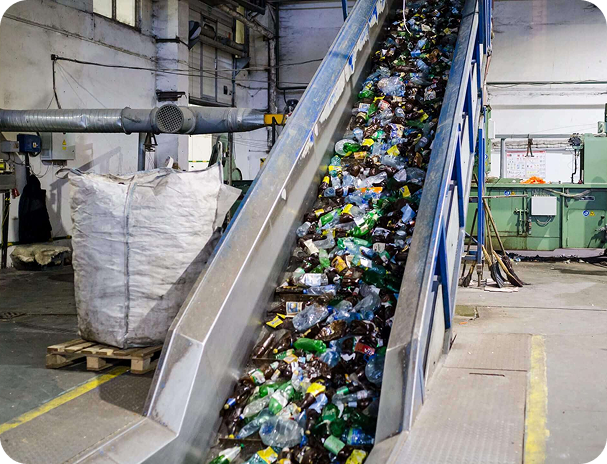
ISWM utilizes modern technologies and methodologies to streamline waste management processes. Automated sorting systems efficiently separate recyclables and non-recyclables, ensuring minimal contamination. Smart sensors and waste tracking technologies help monitor waste volume, collection frequency, and recycling efficiency.
Composting technologies turn organic waste into nutrient-rich compost for agriculture, while waste-to-energy technologies convert non-recyclable waste into usable energy. Data analytics platforms help businesses track their sustainability goals and waste diversion rates in real time. These technologies ensure that waste is processed effectively, reducing landfill use, and contributing to overall environmental sustainability efforts.
Our Expertise, Your Success
We deliver expert solutions tailored to your needs, ensuring your success every step of the way.
Benefits of ISWM
Integrated Solid Waste Management (ISWM) optimizes waste reduction, recycling, and disposal for a cleaner environment. It promotes sustainability, cost efficiency, and resource conservation.
- Environmental Protection: Reduces pollution and conserves natural resources.
- Cost-Effective: Optimizes waste management processes, reducing disposal costs.
- Sustainability: Supports circular economy principles by maximizing material recovery.
- Community Health & Safety: Minimizes health risks associated with improper waste disposal.
Trucks and Machinery
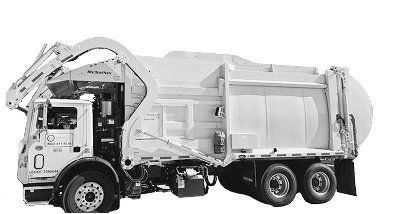
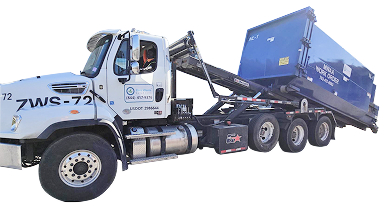
Discover our diverse fleet of specialized trucks and machinery, built to deliver reliable, efficient waste management services tailored to meet the demands of every project, large or small.
Front-Load-Services
Roll-Off Compactor Services

Roll-Off Dumpster Rental Services
Contact Us
Get in touch with us today to learn more about how our operations and maintenance services can benefit your facility.
Frequently Asked Questions
Integrated Solid Waste Management (ISWM) is a comprehensive approach to managing waste that combines various methods like collection, sorting, recycling, composting, and disposal to reduce waste sent to landfills. Zero Waste Solutions offers ISWM services that optimize waste handling, making sure each step is efficient and sustainable.
We use advanced technologies such as smart routing and waste tracking tools to make sure that your waste is processed in the eco-friendliest way possible, guaranteeing cost-effectiveness and compliance with regulations.
Businesses that adopt an ISWM approach typically see meaningful improvements in several areas. Landfill disposal costs drop as more materials are diverted through recycling and composting. Compliance becomes easier to manage with documented, systematic processes in place. Sustainability reporting becomes more credible when diversion data is tracked across all waste streams. There are also reputational benefits, as clients, partners, and regulators increasingly expect organizations to manage waste responsibly. Zero Waste Solutions designs ISWM programs that deliver these outcomes in practical, manageable ways, so your team isn't overwhelmed, and your sustainability goals are actually met rather than simply stated.
An effective ISWM program is built on a few core principles: reduce waste at the source before it's generated, recover as much material as possible through recycling and composting, and dispose of only what cannot be recovered in the most environmentally responsible way available. Transparency and tracking matter too. Without reliable data on what's being collected, diverted, and disposed of, it's impossible to improve. Technology also plays a role, from smart collection systems to data analytics platforms that monitor performance in real time. When these principles are applied consistently and managed well, the results show up in lower costs, higher diversion rates, and cleaner facilities.
The process starts with a site assessment, where our team visits your facility to understand how waste is generated, what materials are involved, and what current practices look like. From that point, we design a program that matches your operational environment. Infrastructure is put in place, including containers, signage, and sorting stations, and trained personnel are deployed to manage day-to-day activity. Collection routes and schedules are structured around your volume and operational flow. As the program runs, we track performance and refine where needed. Zero Waste Solutions manages this entire process from assessment through ongoing operation, so you're never left to figure it out alone.
An ISWM program can encompass virtually all solid waste streams an organization generates. This includes general solid waste, recyclables such as paper, cardboard, plastics, metals, and glass, organic materials like food scraps and yard waste, construction and demolition debris, and certain regulated or specialty waste streams. The program is designed around what your facility actually produces, not a generic template. By addressing all major waste categories in one coordinated approach, there's far less risk of materials ending up in the wrong stream, which is one of the most common and costly problems in waste management when streams are managed in isolation.
Yes, and those two outcomes tend to reinforce each other. When materials are properly sorted and diverted, disposal costs decrease because you're sending less tonnage to landfill. Recycling and composting programs can reduce or offset some disposal fees altogether. At the same time, documented diversion rates and sustainability metrics support ESG reporting and demonstrate environmental accountability to stakeholders. Our team tracks progress over time through consolidated reporting so the improvements are visible and verifiable. Sustainability and cost efficiency aren't competing priorities in a well-designed ISWM program. When the program is built correctly, one supports the other naturally.
No two facilities generate the same mix of waste, face the same regulatory environment, or operate on the same schedule. That's why customization is central to how we work. After visiting your site and understanding your operations, we design a program around your specific conditions, including which waste streams need priority attention, what collection infrastructure makes sense for your layout, and which compliance requirements apply to your industry. Whether you're a hospital managing regulated medical waste alongside general refuse or a university campus running high-volume dining and academic operations, the program we build reflects your reality.
Get in Touch Today!
For more information about our Integrated Solid Waste Management services or to partner with us, contact our team today.
Contact Us NowContact Us Today
Discover the future of Integrated Solid Waste Management with Zero Waste Solutions. Learn more about how we can transform your waste management strategy and work together towards a more sustainable future.
"*" indicates required fields
