
What Is Waste Composition Analysis?
Understanding how trash behaves in daily life helps communities and organizations make better choices. Many towns, schools and businesses aim for cleaner streets, safer landfills, and more effective recycling practices. One of the strongest tools for learning about waste patterns is a waste audit.
We recently conducted a waste audit with interns at a local university, giving students firsthand insight into what goes into their trash and how small changes can make a big difference. A waste audit studies what is in a waste stream, showing what is discarded, how often it happens, and how it varies across locations. This process guides smarter planning and clearer decisions about waste habits in homes, schools, stores, and large sites.
How a Waste Audit Works
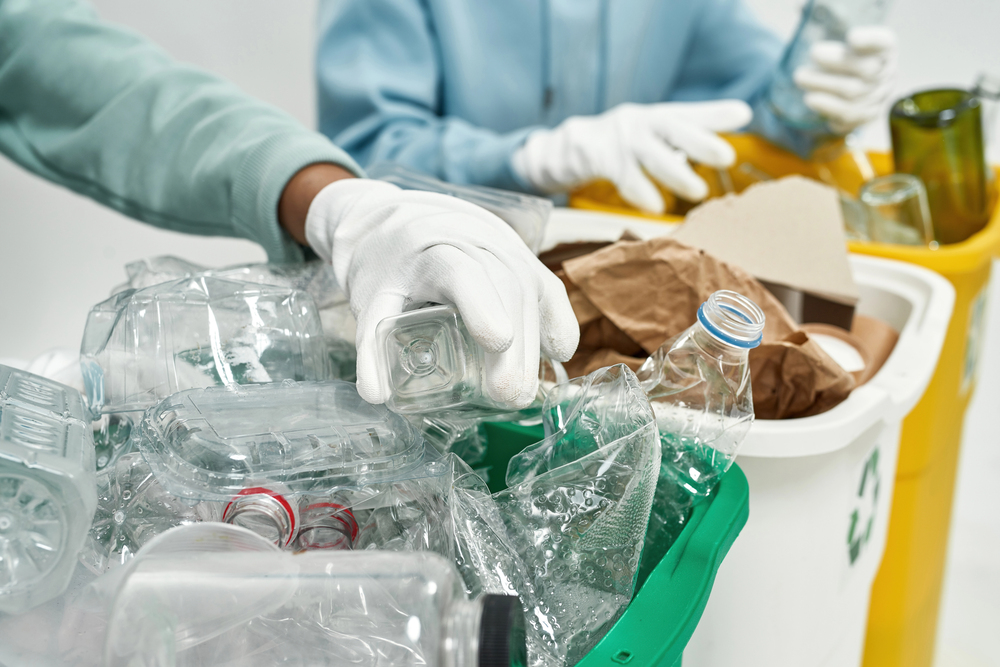
A waste audit is a hands-on study of trash conducted at a designated sorting area. Our team recently performed a waste audit at a local university, gathering waste from dorms and campus dining areas to see what students were discarding. The waste is carefully sorted piece by piece, a process that requires training and focus.
Items are grouped into categories such as food scraps, paper, plastics, yard waste, textiles, and other common materials. Each category reveals important insights about habits and behaviors at the site.
Why a Waste Audit Matters for Organizations and Communities
A waste audit helps organizations and communities make informed decisions about their waste. Towns can see how much waste goes to landfills and which materials could be reduced or recycled. Schools can identify items students frequently discard and introduce reusable alternatives. Stores and large facilities can understand how packaging contributes to their waste and adjust purchasing habits to cut costs.
Waste audits also reveal seasonal and cyclical trends. Warm months may generate more yard waste, cooler months bring more cardboard from shipments, and holidays often increase food and packaging waste. Conducting a waste audit over time provides clear, data-driven insights that enable stronger planning, targeted interventions, and measurable results rather than relying on assumptions.
How We Conduct a Waste Audit
Waste audits are conducted on regular collection days to capture a representative snapshot of typical waste rather than rare or unusual events. Before the audit, we coordinate with site staff to ensure loads are set aside before the scheduled pickup. This early communication prevents the loss of valuable data.
Once the waste arrives at the sorting area, each bag or container is handled carefully. Items are opened, spread on a clean surface, and sorted into categories such as food scraps, packaging, and other discarded materials. When items are still in packaging, the contents are separated from the packaging to show how much waste originates from the product itself versus the packaging.
These measurements give organizations and communities a clear understanding of their waste streams and help identify high-impact areas for reduction.
Sorting and Recording the Material
Sorting is done one pile at a time during a waste audit. After each pile is sorted, each category is weighed, and the data is recorded, noting the day, time, location, and type of waste. This tracking allows organizations and communities to compare sites, monitor changes over time, and identify patterns. For example, more food may be discarded on busy days, more cardboard may appear on delivery days, and disposable cups may spike during events.
Each pile reveals important insights about behaviors and operational practices. If many small containers are found, a site may implement reusable cup programs. If large volumes of food scraps are observed, a food recovery or compost program may be recommended. Plastics that cannot be recycled may indicate the need to adjust purchasing habits. Waste audits make these patterns visible, allowing actionable, data-driven changes rather than guesswork.
Insights from a Waste Audit
Once the data from a waste audit is recorded, it is analyzed to identify larger patterns and trends. The weight and volume of each waste category indicate how much space it occupies and the associated disposal costs. Large weights signal higher costs, and high volumes impact storage and transportation, both critical for planning more efficient waste systems.
Waste audits also provide a clear way to track progress over time. Organizations can conduct an initial audit, implement changes, such as a compost program or enhanced recycling initiative, and then run a follow-up audit to measure improvements.
For example, a school that starts a compost program may see food waste decline month by month, while a commercial facility adjusting packaging practices may reduce landfill contributions. A waste audit acts like a “report card,” offering tangible evidence of long-term improvements in waste management practices.
Common Challenges During a Study
Some sites want to participate in a waste audit but have concerns about privacy, safety, or operational disruption. We address these concerns by walking through each step of the audit and ensuring staff are informed of the schedule and points of contact for any questions. Clear planning helps the process run smoothly.
Occasionally, waste pickups may occur before the audit sample is collected. We coordinate reminders with site staff to ensure samples are secured before trucks arrive, preventing the loss of valuable data.
It is important to note that a waste audit shows what is discarded, but not always why. For instance, a pile of food scraps may indicate disposal, but the reasons could vary, spoilage, over-preparation, or misunderstanding of date labels. Many sites complement the audit with surveys or waste diaries to capture the full story. Data provides one part of the insight, while additional context completes the picture.
How Waste Audits Support Long-Term Planning
Many organizations and communities want to reduce waste but may not know where to begin. A waste audit provides a clear, data-driven starting point. Schools can introduce reusable trays, stores can reduce packaging, and facilities can optimize recycling and composting programs. By presenting concrete numbers, audits allow stakeholders to take deliberate, informed steps rather than relying on assumptions.
Waste audits also guide towns and municipalities in shaping long-term sustainability goals. For example, identifying that food waste represents a significant portion of landfill contributions can lead to targeted initiatives such as composting programs or food recovery efforts. By focusing on the largest waste streams first, communities can implement effective programs and track measurable progress over time.
Why Clear Language Helps People Act
Using clear, straightforward language is essential during a waste audit. Technical terms or complex explanations can overwhelm staff, students, or community members. Clear language reduces confusion, helps participants understand the results quickly, and encourages timely action. When stakeholders can see the full picture of their waste habits, they are better equipped to make informed decisions and implement sustainable changes.
By breaking down findings into simple, actionable steps, waste audits feel approachable and practical, motivating organizations and communities to take meaningful, lasting action.
How Waste Audits Engage Students and Families
Waste audits provide a powerful learning opportunity for students and families. When a school conducts an audit and shares the results, students can see the impact of their daily choices. For example, if the audit reveals that most waste comes from single-use items, students are encouraged to adopt reusable alternatives. If significant food waste is identified, students learn the importance of portion control and food planning.
Families benefit in similar ways. By participating in a home waste audit or reviewing school audit results, families can identify patterns in food and packaging waste. They can make informed choices, such as buying only what is needed, using reusable containers, or selecting products with less packaging. These practical insights help reinforce sustainable habits that last for years.
How Towns and Organizations Use Waste Audits
Towns and organizations use waste audits to guide smarter planning and sustainable practices. Audits reveal how much waste is sent to landfills, how much could be recycled or composted, and how waste patterns change over time. These insights help municipalities and facilities develop targeted programs that address the most significant waste streams. For example, if a town identifies high levels of food waste, it may implement composting or food recovery programs. If cardboard volumes are high, recycling programs can be updated to capture more material.
Zero Waste Solutions, Inc. conducts waste audits because they provide a clear, actionable picture of real habits. Audits help organizations understand how their waste impacts costs, space, and long-term sustainability goals. Each site has unique patterns, and our audits guide practical changes that fit daily operations. Our recent audit with interns at a local university demonstrated how even small adjustments, like improving student recycling practices, can produce measurable, long-term gains.
To learn how a waste audit can advance your organization’s sustainability goals, contact us today.
